A wonderful journey from Naxal shadow to tourism hub
00 Vishnudev Sai Government's policies are opening new doors to development
Raipur. Chhattisgarh, once known as a Naxal-affected state, is now rapidly establishing itself as an emerging tourist hub in the country. Rich in natural beauty, ancient heritage, and vibrant tribal culture, this state is now becoming a center of attraction for national and international tourists due to new policies and infrastructure development.
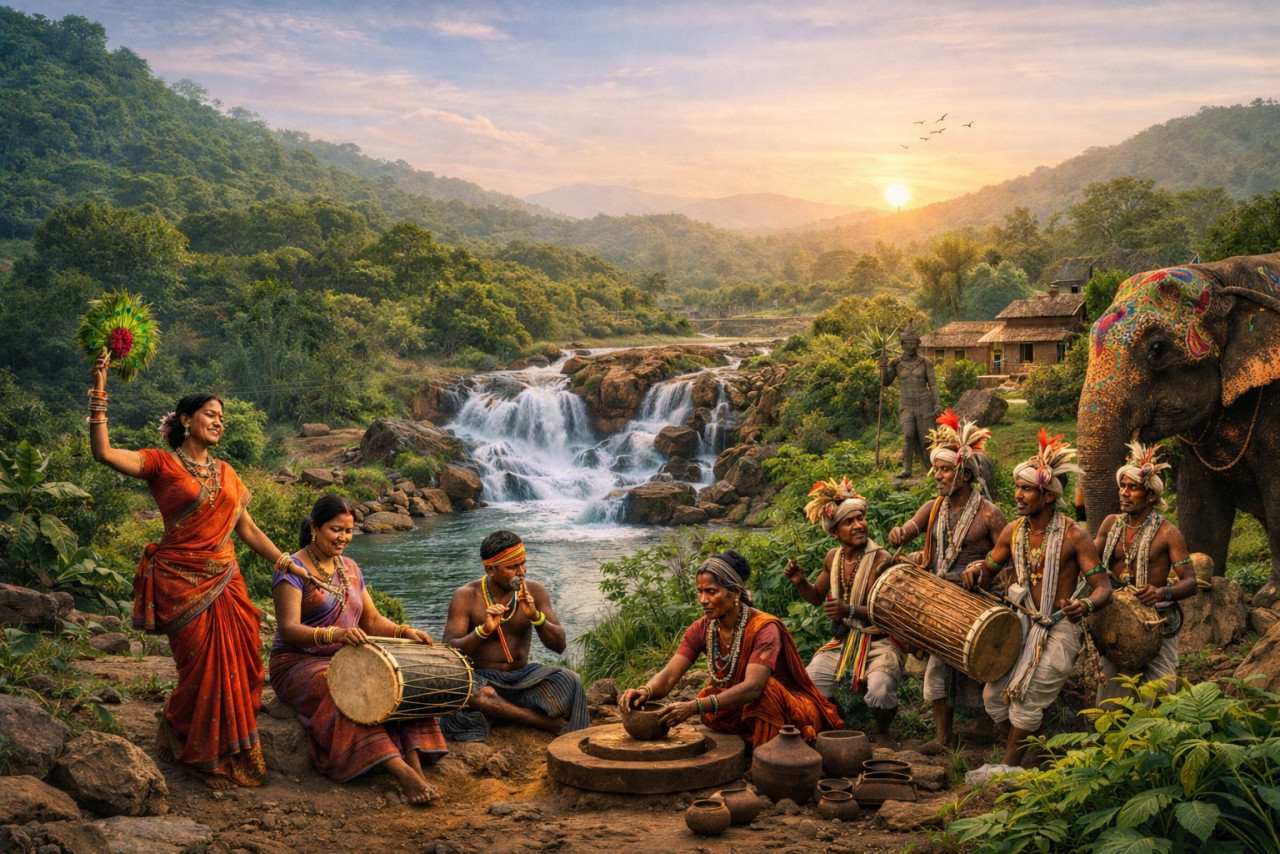
Security, connectivity, and tourism infrastructure have been given top priority by the state government. The new Industrial Policy 2024-30 has given tourism the status of an industry, providing subsidies, tax exemptions, and incentives to investors. The state has received investment proposals worth crores of rupees for eco-ethnic and adventure tourism. Bastar division is characterized by its vibrant traditions. The lifestyle, traditional food, handicrafts, and folk dances of the Gond, Muria, Halba, and Baiga tribes are particularly attractive to tourists. Folk dances like Panthi, Raut Nacha, Suwa, and Karma have become the cultural identity of the state.
The state's natural, historical, and religious sites are rapidly becoming a favorite among tourists. Chhattisgarh, with its diverse tourism offerings, is attracting tourists from both India and abroad. Chitrakoot Falls, known as the Niagara of Asia, is a favorite destination for adventure lovers. Jashpur's Madheshwar Mountain, home to the world's largest natural Shivalinga, captivates. The mysterious Kutumsar Caves offer a thrilling adventure. Ramgarh's ancient theatre, the site of Rama's exile, is a living symbol of religious heritage. Dongargarh's Maa Bamleshwari remains a major center for religious tourism. All these sites are being enriched by the state government's development plans. Dhudmaras village, selected as the Best Tourism Village by the UNWTO, has brought global recognition to Chhattisgarh's tribal culture.
Roads, lighting, security and tourist facilities are being expanded around these sites, due to which the number of tourists is continuously increasing. Due to government schemes, tourism is not limited to mere sightseeing, but it is becoming a major source of local employment. Income of rural and tribal areas is increasing through home-stays, handicrafts, local food and guide services. In the coming years, Chhattisgarh can be included among the major eco-cultural tourism states of the country. Chhattisgarh is emerging from the Naxal image and is creating a new identity of tourism and is seen taking a new flight of development.




.jpg "CHHATTISGARH: Ex-IRS Sheetal Shaswat Verma, who has taken VRS, gets a big responsibility!")


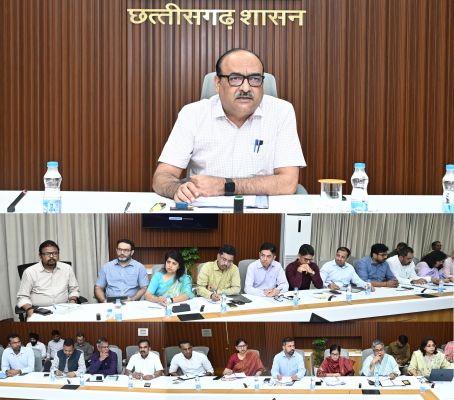

.jpeg "A New Milestone in Good Governance : CM Helpline Becomes the Voice of the People, Over 92,000 Complaints Registered and More Than 42,000 Grievances Resolved in Just One Month,48 Government Departments on a Single Platform; Raipur Leads Among Districts, Energy Department Tops in Grievance Redressal")