Smartphone Market 2026: Apple created history in the first quarter, surpassing Samsung to become number 1, Google and Nothing also saw "bumper" growth
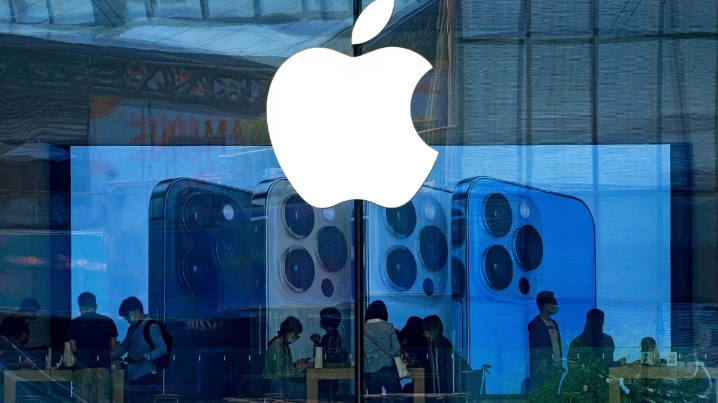
New Delhi: The global smartphone market has had a volatile start to 2026. While component shortages (DRAM and NAND memory) led to a 6% decline in total shipments, tech giant Apple made history by becoming the world's largest smartphone brand in the first quarter (Q1).
Apple's Historical Performance
Samsung usually dominates the first quarter, but according to the latest report from Counterpoint Research, Apple has won this time. Apple is in first place with a 21% share. Strong demand for the iPhone 17 series and excellent trade-in offers propelled the company to the top. This is the first time Apple has secured the top spot in the global market in the first quarter (Q1) of a year.
Samsung and Xiaomi's position :
Samsung slipped to second place with a 20% market share. The delay in the launch of the Galaxy S26 series and low demand in the budget segment are believed to be the main reasons for this.
Xiaomi: Chinese company Xiaomi remained in third place with a 14% market share, although its sales declined year-on-year.
OPPO & Vivo: Oppo (including OnePlus and Realme) is at fourth position with 11% share and Vivo is at fifth position with 8%.
Google and Nothing: Small packets, big bang
These companies may not be in the top 5, but their growth has surprised everyone:
Google (14% growth): Google achieved 14 percent year-on-year growth, driven by the success of the Pixel series, especially the new Pixel 10a, and its excellent AI features.
Nothing (25% growth) : Carl Pei's company, Nothing, saw the fastest growth this quarter, rising 25%. The brand is rapidly gaining popularity among young people thanks to its unique "glyph interface" and the Nothing Phone (4a).
Major reasons for the market decline:
A total of 1.26 billion phones were shipped between January and March of this year, a decrease of approximately 75 million units from the previous year. The main reasons behind this are:
-Global shortage of memory chips (DRAM and NAND).
-Decrease in demand for entry-level (budget) phones due to rising costs.
-Customers are now more inclined towards premium and AI-powered phones.
.jpeg "A New Milestone in Good Governance : CM Helpline Becomes the Voice of the People, Over 92,000 Complaints Registered and More Than 42,000 Grievances Resolved in Just One Month,48 Government Departments on a Single Platform; Raipur Leads Among Districts, Energy Department Tops in Grievance Redressal")