State
The resolution of a developed India will be realised through VB G RAM G: Brijmohan
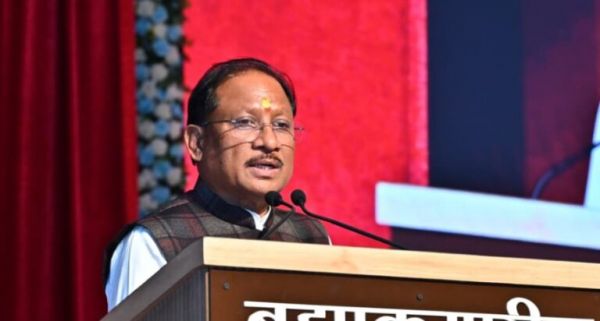
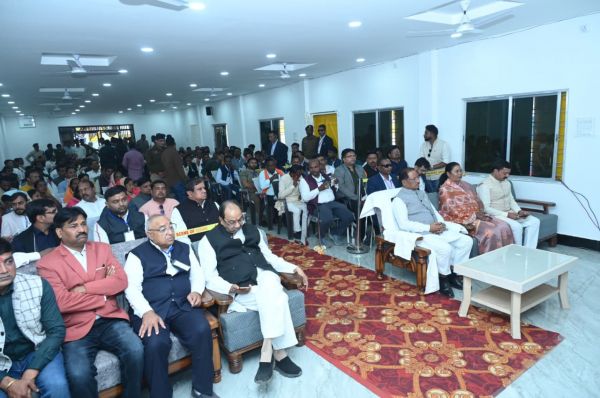
Raipur . The Bharatiya Janata Party (BJP) District Rural organized a district conference and workshop in Kharora under the VB G RAM G Janjagran Abhiyan (People's Awareness Campaign). The keynote speaker, Member of Parliament and senior BJP leader Brijmohan Agrawal, urged party officials and workers to spread the message and benefits of "Ji Ram Ji" to every village and every household, and to make villagers aware of it. He stated that with the active participation of party workers, this campaign will become a people's movement.
Brijmohan Agrawal stated that under the visionary leadership of Prime Minister Modi, the central government is continuously working towards realizing the vision of a developed India by 2047. He clarified that a developed India is impossible without developed villages.
The VB G RAM G (Rural Livelihood and Employment Mission) is a powerful testament to this commitment, laying a strong foundation for rural employment, utilization of local resources, self-reliant panchayats, and prosperous and empowered villages.
He stated that the central government is continuously taking concrete and historic steps towards making villages self-reliant, prosperous, and self-reliant, and this campaign will pave the way for a new era in rural India.
He stated that this is the first such law in the country's history, which strengthens the rural economy, guarantees employment, curbs corruption, and ensures a transparent digital system. Under this, villagers are guaranteed employment within 15 days, the number of assured employment is increased from 100 to 125 days, and payment with interest is provided in case of non-payment within a month.
He explained that while there was a cap on work under MNREGA, through VB G RAM G, all types of development works, including roads, school buildings, health centers, canals, Panchayat buildings, drinking water, and electricity, can now be undertaken in villages. Gram Panchayats will be empowered to prioritize work, which will accelerate village development, increase self-reliance, and stop migration from villages to cities.
MP Agarwal explained that VB G RAM G stands for Vikasit Bharat Guarantee Rozgar Aajeevika Mission Gramin. This scheme, in keeping with the spirit of Ram Rajya, will ensure justice, employment, and prosperity in villages and provide a solid guarantee of livelihood security.
Taking aim at the Congress party, he said that the party has always hated the name Ram—first the Shri Ram Temple, then the Ram Setu, and now the opposition to "Ram Ji." During Congress rule, MNREGA was turned into a vehicle for corruption, with neither sustainable construction nor transparency. VB G RAM G will ensure corruption-free rural development through digital governance.
MP Agarwal stated that while previously the provision for employment guarantee schemes was 30,000 to 40,000 crore rupees, under Prime Minister Modi's leadership, this amount has increased to 60,000 to 90,000 crore rupees. In the coming years, approximately 1.5 lakh crore rupees will be invested in the rural economy, leading to the all-round development of villages.
It is noteworthy that MP Agarwal presented his influential views as the first speaker on the VB G RAM G Bill in the Lok Sabha.
School students visited Lok Bhavan and met the Governor.
Raipur . On the initiative of Governor Ramen Deka, a tour of Lok Bhavan is being organized to connect the general public, especially students, with the activities of Lok Bhavan. In this connection, 50 students from the Government Higher Secondary School, Raipur Mathpara, along with their teachers, visited Lok Bhavan on Saturday.
The students visited Chhattisgarh Mandapam, Udanti Complex, Kanhar Complex, Dispensary Garden, and various branches of the Secretariat located in the Lok Bhavan complex. The children met the Governor and got a group photo taken. On this occasion, the Governor told the children about the importance of education and wished them a bright future.
All the students were presented with saplings and were encouraged to plant them at home, school, and village and take regular care of them.
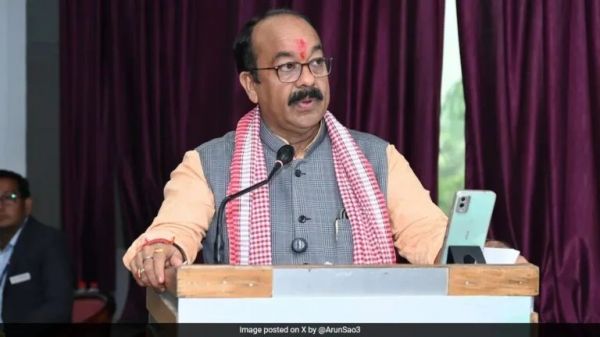
Bilaspur and Chhattisgarh got a unique identity from Talagaon: Arun Saw
Bilaspur . Deputy Chief Minister Arun Saw participated in the second day of the three-day Tala Mahotsav and inaugurated various cultural programmes. He said that the Devrani Jethani temple and the statue of Rudra Shiv of the historical Tala village situated on the banks of the Maniyari river have given unique fame and identity to Bilaspur and Chhattisgarh. The state government is committed to the development of this historical area. The programme was presided over by local MLA Dharamlal Kaushik. A large number of people from the surrounding villages including CREDA President Bhupendra Savanni, Janpad Panchayat President Ramkumar Kaushik, District Panchayat Member Govind Yadav had arrived.
Deputy Chief Minister and chief guest of the program, Arun Sao, said that in the past two years, eight important road construction projects worth over 200 crore rupees have been approved in the region, which is a major achievement for the region's development. Senior MLA Dharamlal Kaushik is deeply concerned about the development of his constituency, which is why unprecedented development work has taken place in the region. He added that any remaining roads will be approved and completed within three years. Sao added that Chief Minister Vishnu Dev Sai's government is fulfilling each of Modi's promises. Just yesterday, the 24th installment of the Mahatari Bandhan Yojana was released. One thousand rupees has been deposited in the accounts of all women. This has increased the presence and vibrancy of women at the fair grounds.
Modern Ghotul will connect the new generation with their roots: Chief Minister Sai
00 The beats of the drum resonated in the Garhbengal Ghotul, the Chief Minister praised the architecture of the Ghotul
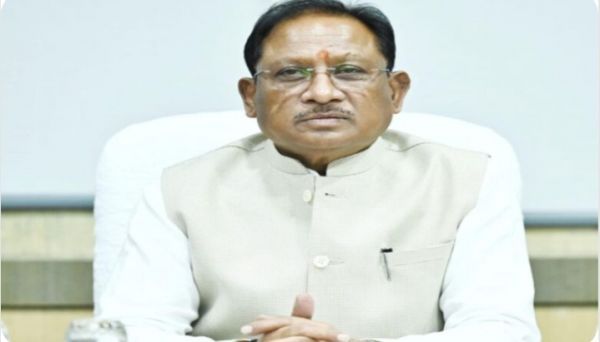
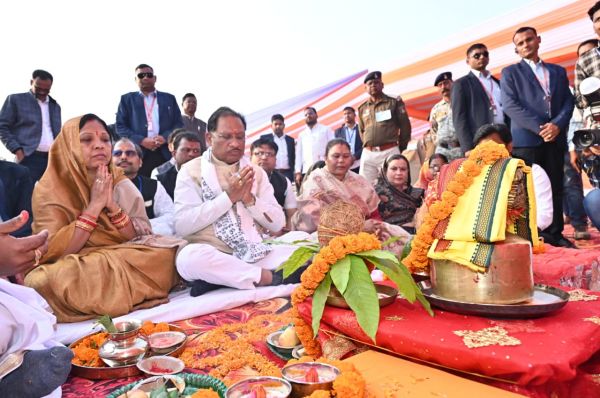
Raipur. During his two-day visit to Narayanpur, Chief Minister Shri Vishnudev Sai today visited the 'Garhbengal Ghotul' and displayed his deep commitment towards the glorious traditions and folk culture of Bastar. On this occasion, amidst the melodious sound of traditional instruments and the warm welcome of the villagers, Chief Minister Shri Sai himself was seen immersed in the folk colours.

Chief Minister Shri Sai observed the unique architecture of the Ghotul and met with the eminent personalities of Bastar and encouraged them. Chief Minister Shri Sai said that the Ghotul has been an educational and cultural center for the tribal society since ancient times. This modern Ghotul, located near Chendru Park, will not only connect the new generation with its roots, but will also become a powerful medium to introduce tourists from India and abroad to the tribal lifestyle and social system. This Ghotul of Garhbengal is a symbol of preserving our glorious heritage. Our government is continuously striving to preserve this unique culture, tradition and knowledge of Bastar.

Chief Minister Shri Sai inspected the Leyyor and Leyosk Kurma of the Ghotul complex: rooms built for young men and women, as well as Bidar Kurma: a collection of traditional costumes, ancient musical instruments and cultural materials. During this, on the request of the villagers, Chief Minister Shri Sai honored the food culture of the region by tasting the traditional dishes of Bastar at Saga Kurma. During this, special food items like Gato-Bhat, Kodo-Bhat, Urid Daar, Hiruwa Daar, Jeera Bhaji, Kanki Paaj, Bhaji Ghirol Phool, Chaati Bhaji, Kanda Bhaji, Munga Bhaji, Tamarind Amat, Madia Paaj, Tomato Chutney, Chila Roti, Ragi Kurma, Ragi Cake, Ragi Lattu, Ragi Jalebi were served in the Chief Minister's meal.

During this visit, Forest Minister Shri Kedar Kashyap, Revenue Minister Shri Tankaram Verma, President of the Chhattisgarh State Minor Forest Produce Association Shri Rupasai Salam, District Panchayat President Shri Narayan Markam, Padmashree Shri Pandiram Mandavi, folk artist Shri Butlu Ram, and senior public representative Smt. Sandhya Pawar sat together and tasted traditional Chhattisgarhi cuisine. The Chief Minister's visit wasn't merely a formal visit, but rather a personal one. He honored the region's prominent figures—Vaidyaraj Padmashree Hemchandra Manjhi, Padmashree Pandiram Mandavi, and renowned folk artist Butlu Ram—by meeting and honoring them. He also met the family members of Tiger Boy Chendru.
Eco -Friendly Ghotul: Built under the guidance of the Forest Department and Padmashree Pandiram Mandavi, this Ghotul is made entirely of eco-friendly materials (wood, clay, and bamboo). The Chief Minister praised the intricate carvings on the pillars of the Ghotul, which were carved by Padmashree Pandiram Mandavi himself. This carving demonstrates the effective efforts made to preserve the cultural connection and heritage.
Bharat Scouts and Guides' first National Rover-Ranger Jamboree creates history
00 A grand event was held under the leadership of Education Minister Yadav and the guidance of National Commissioner Dr. K.K. Khandelwal.
Raipur. A golden chapter has been added to the history of the Bharat Scouts and Guides. The organization's first National Rover-Ranger Jamboree, held from January 9 to 13, 2026, in Dudhli, Balod district, Chhattisgarh, was a grand, disciplined, and historic success. For this unprecedented event, the Bharat Scouts and Guides expresses its deep gratitude to the visionary leadership of the Honorable Education Minister of Chhattisgarh, Shri Gajendra Yadav, and the inspiring guidance of National Commissioner Dr. K.K. Khandelwal (retired IAS).
A national dream realized through visionary leadership
. In a statement issued from the National Headquarters of the Bharat Scouts and Guides in New Delhi, National Commissioner Dr. K.K. Khandelwal said that due to the strong leadership, administrative efficiency, and continuous support of Education Minister Shri Gajendra Yadav, this national-level event was successfully organized despite limited time and numerous challenges. This jamboree was not just an event, but a vibrant celebration of youth leadership, discipline, service, and national unity.
The safety, convenience, and holistic development of youth were given top priority.
Security arrangements, drinking water, sanitation, food security, medical facilities, and accommodation were given top priority during the Jamboree. Well-organized logistics, robust infrastructure, and effective administrative coordination provided a safe, disciplined, and inspiring environment for thousands of Rovers and Rangers from across the country. Every minute detail was carefully considered, reflecting the excellent planning and execution of the event.
A historic milestone for the Scouting movement,
this first National Rover-Ranger Jamboree marked a landmark in the journey of the Bharat Scouts and Guides. This event not only set new standards for future national and international Jamborees but also provided a powerful platform to inspire the younger generation to leadership, service, discipline, and nation-building in the years to come.
National Commissioner Dr. K.K.
Khandelwal (Retd. IAS) stated in his message that this Jamboree symbolizes the collective effort, faith, and commitment of over 7 million members of the Bharat Scouts and Guides. He stated that this event has further organized, empowered, and inspired the Scouting community, and will pave the way for achieving even greater national goals in the future.
Collective efforts received praise.
The Bharat Scouts and Guides, on this occasion, especially commended the dedication, discipline, and teamwork of the Balod District Administration, the Education Department, the Chhattisgarh Government, the Chhattisgarh State Bharat Scouts and Guides, and all the officers, staff, and volunteers. Without their tireless efforts, the success of this massive event would not have been possible.
Inspiring Memories and a Step Toward a Bright Future
The organization expressed confidence that the inspiring memories of the first National Rover-Ranger Jamboree will continue to inspire youth to pursue the path of service, leadership, and national unity for years to come. This event will undoubtedly prove to be a powerful launchpad for the future of the Bharat Scouts and Guides.
The world's fastest flying bird, the Peregrine Falcon, was spotted in Udanti-Sitanadi.
Raipur. The Peregrine Falcon is the world's fastest flying bird, capable of reaching incredible speeds while diving for prey. This falcon species specializes in swooping down on prey from high altitudes and is known as the "cheetah of the sky." Peregrine Falcons are swift and large birds of prey. Their strong, sharp yellow talons enable them to capture other birds even while flying. Chhattisgarh is becoming a favorite destination for birders from around the world. Due to its favorable climate and rich biodiversity, many rare birds are traveling long distances to reach here. In this context, very encouraging information has emerged from the Udanti-Sitanadi Tiger Reserve. The world's fastest flying bird, the Peregrine Falcon (local name: Shaheen Baaz), has once again been sighted here.

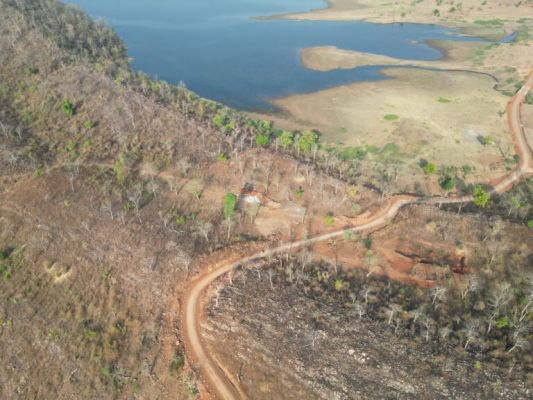
This rare sight was captured by forest guard Mr. Omprakash Rao. Previously, the bird was recorded by drone cameras near the Shesh Pagar Falls near the Amamora Oad area, confirming its active presence in the region. It is worth noting that the Peregrine Falcon is world-renowned for its incredibly fast flight. While pursuing prey, it can dive at speeds of approximately 320 km per hour, while in normal flight, its speed is approximately 300 km per hour. It preys on small birds, pigeons, and parrots. Its most effective hunting technique is to dive from a height and strike with precision.

According to experts, this bird is known not only for its speed but also for its loyalty. They usually live alone or in pairs and often choose the same partner for life. The sighting of this bird, which has a lifespan of approximately 12 to 15 years, in the forests of Udanti-Sitanadi shows how conducive Chhattisgarh's environment is for wildlife. During a recent bird survey, rare and beautiful birds, the Orange-breasted Green Pigeon and the Black-capped Kingfisher, were also seen in the Barnawapara Sanctuary.

It is noteworthy that Forest Minister Shri Kedar Kashyap is giving top priority to forest and wildlife conservation and ensuring continuous monitoring and effective implementation. Under the guidance of the Forest Minister and the leadership of Principal Chief Conservator of Forests (Wildlife), Shri Arun Kumar Pandey, the entire Forest Department team is engaged in continuous efforts, the positive results of which are now clearly visible. This achievement of the Forest Department is not only important from a documentary point of view, but also provides new energy to the ongoing efforts being made for wildlife conservation in the state.
Real Ispat & Energy Plant issued notice for violation of rules, to respond within a week
00 Serious violation of safety standards and SOPs in the joint investigation report
Raipur. In the case of the horrific industrial accident that occurred on January 22, 2026, in the factory premises of M/s Real Ispat and Energy Private Limited located in village Bakulahi under Tehsil Bhatapara, a notice has been issued to the factory management on the basis of the report of the joint investigation report constituted on the instructions of Collector Deepak Soni. The reply to the notice will have to be given within a week.
Following an investigation into the serious accident, the Assistant Director of Industrial Health and Safety issued an order, which found factory management violating the provisions of the Factories Act, 1948, and the Chhattisgarh Factories Rules, 1962.
By continuing to operate Kiln No. 1 without shutting it down, the factory management placed workers and factory employees at risk by subjecting them to hazardous conditions and failing to implement comprehensive safety and security procedures at the workplace. The factory management failed to issue a proper work permit when dumping frozen hot ash into a wet scraper within Kiln No. 1's dust settling chamber. Newly recruited workers were employed in hazardous work areas, including the dust settling chamber, without a work permit, demonstrating negligence on the part of the factory management. The factory management failed to obtain permission from the District Trade and Industry Center for commercial production, which is contrary to industrial policy. The factory management failed to provide workers with a register regarding wages and other benefits under the Minimum Wages Act, 1948. Under the Contract Labour Act 1970, if there are 20 or more workers, they are required to obtain a license under the Contract Labour Act 1973. However, despite having two contractors in the factory, they have not obtained a license for employing 100 workers. Under the Inter-State Migrant Labour Act 1979, work is being taken from inter-state workers without a license, which is a violation of the above rules.
Compensation payments to the deceased and injured: The factory management has paid ₹20 lakh each to the families of the five workers who died in the accident, and ₹5 lakh each to the families of the six injured workers. The injured workers are being treated in Bilaspur.
It is noteworthy that on January 22, 2026, at approximately 9:40 a.m., six workers died on the spot and five were seriously injured in a sudden explosion and a shower of hot ash while working on the second floor of Kiln No. 1's dust settling chamber. Following a preliminary investigation, a ban has been imposed on the operation and all maintenance work at Kiln No. 1 under Section 40(2) of the Factories Act, 1948.
Remote forest areas get a new boost in connectivity, Chief Minister Sai travels 4 km from Kurusnar by bus with villagers.
00 People of remote areas are getting transportation facility under Chief Minister Bus Service
Raipur. The Chief Minister Bus Service, started by the Chhattisgarh Government as an important initiative towards connecting the remote and border tribal areas of the state with the mainstream, is now running successfully in Narayanpur district. During his visit to the district, Chief Minister Shri Vishnu Dev Sai travelled in a bus with the villagers for about 4 km from Kurusnar.

The Chief Minister's travel by bus service underscores the scheme's credibility and people-centric approach. He also asked fellow passengers about the benefits the villagers have received from the resumption of bus service in this Naxal-affected area. The Chief Minister's visit and bus service is being seen as a powerful message of development, trust, and good governance in Narayanpur district.
Currently, four buses operate under the Chief Minister's Bus Service in Narayanpur district, three of which provide regular transportation services on the Niyed Nella Nar route. These buses are providing access to transportation in areas that have been virtually deprived of public transportation for the past decade due to Maoist insurgency.

The first route is Narayanpur-Nelangur, benefiting the villages of Doomratari, Kukdajhor, Ankabeda, Kasturmeta, Mohndi, Kodliyar, Kutul, Bedmakoti, and Nelangur. The second route is Narayanpur-Kutul, providing transportation to Kachchapal, Kodliyar, and Kutul, along with the villages of Kurushnar, Basing, Kundla, Kohkameta, and Irakbhatti. The third route is Narayanpur-Garpa, benefiting the villages of Kurushnar, Basing, Kundla, Sonpur, Maspur, and Horadi.
This bus service is operated under a public-private partnership (PPP) model, with operations entrusted to a private bus operator, while the government manages route planning and monitoring. The primary objective of this initiative is to provide reliable, accessible, and safe transportation to marginalized tribal communities, promote social inclusion, and strengthen mobility and connectivity in the region.
The resolution of Naxal-free Bastar and safe Chhattisgarh is now being realised at the ground level - CM Sai
Raipur. The decision of four active Maoist cadres carrying a bounty of ₹8 lakh each in the Kistaram region to renounce violence and join the mainstream is a clear testament to the growing environment of trust, security, and development in Bastar. Chief Minister Shri Vishnu Dev Sai stated that the commitment to a Naxal-free Bastar and a safe Chhattisgarh is now being realized on the ground.
Chief Minister Sai stated that this change is a direct result of the coordinated and sustained efforts of the security forces, robust camp systems, effective regional presence, and improved road and communication connectivity. These efforts are steadily shrinking the Maoist sphere of influence and weakening their social base. He stated that the state government has a clear policy that those who wish to renounce violence and return to mainstream society will be provided with opportunities, security, and a dignified life. This journey of peace, trust, and development in Bastar will continue with full commitment.
Special Story: Makhana Development Scheme launched in Dhamtari, Balod, Mahasamund and Gariaband districts, with an amount of Rs 178 lakh approved.
Raipur. In Chhattisgarh, farmers are increasingly turning to cash crops in addition to traditional crops. In this context, makhana cultivation is emerging as a new and profitable option for farmers. Considering the immense potential for makhana production in Chhattisgarh, the Central Government's Central Sector Scheme for the Development of Makhana is being implemented rapidly. Following the historic announcement by Union Agriculture Minister Shivraj Singh Chouhan to include the state in the National Makhana Board, activities related to makhana cultivation and processing have accelerated in the state.
Horticulture Department officials stated that implementation of the scheme will commence in the year 2025-26. Under this scheme, Chhattisgarh has received approval for ₹178.11 million. Dhamtari, Balod, Mahasamund, and Gariaband districts have been selected for the scheme's implementation.

Makhana has a strong market demand.
The most significant advantage of Makhana cultivation is that farmers earn significantly more profit if they process the seeds and sell them in the market, rather than just selling raw seeds. Makhana is prepared by drying, roasting, and processing the seeds, which enjoys a good market demand. Makhana production and Makhana seed production activities are proposed under
the Farmers' Interest in Makhana Production
Scheme. Makhana will be produced in 96,438 hectares of previously constructed ponds and 37,424 hectares on farmers' land, a total of 133,862 hectares. Additionally, a seed production program will be conducted on 15 hectares at the University of Agriculture and Horticulture and departmental nurseries.
43 farmers from Dhamtari district are involved in Makhana production.
Currently, Makhana production has been initiated in Dhamtari district by selecting women self-help groups. Prominent among these are Shail Putri Self-Help Group, Nayi Kiran Self-Help Group, Jai Maa Nav Jyoti Women Self-Help Group and Progressive Farmers Group. Sowing of Makhana seeds has been completed in ponds in 55 acres of area in the district and preparations have started in 15 acres, in which 43 farmers are involved. Preparations for sowing have also started in 55 acres of area selected for Makhana production on land, in which 20 farmers are involved.
Action plan of Rs. 2 crore proposed for 2026-27
It is noteworthy that an action plan of Rs. 2 crore has been proposed for the year 2026-27, under which Makhana production in ponds in 75 hectares and on 30 hectares of land, construction of 10 new ponds and additional Makhana production in 5 hectares is proposed.
Training farmers for makhana production.
Mrs. Manisha Chandrakar, director of Ojas Farm, which has been cultivating makhana for the past five years, stated that Chhattisgarh's climate and soil are highly conducive to makhana production. Commercial makhana production in the state was first initiated by the late Shri Krishna Kumar Chandrakar in Lingadih village of Arang development block, and the first makhana processing center was established in December 2021. Currently, her organization is not only engaged in production and processing, but also provides training to farmers from within the state and outside.
Maximum profit can be achieved by self-production, processing, and packaging
. Mrs. Manisha Chandrakar explained that one kilogram of makhana seeds yields approximately 200 to 250 grams of pop, which costs between 700 and 1000 rupees per kilogram. If farmers produce, process, and package their own makhana, maximum profit per acre can be achieved.
Modern Ghotul will connect the new generation with their roots: Chief Minister Sai
00 The beats of the drum resonated in the Garhbengal Ghotul, the Chief Minister praised the architecture of the Ghotul
Raipur. During his two-day visit to Narayanpur, Chief Minister Shri Vishnudev Sai today visited the 'Garhbengal Ghotul' and displayed his deep commitment towards the glorious traditions and folk culture of Bastar. On this occasion, amidst the melodious sound of traditional instruments and the warm welcome of the villagers, Chief Minister Shri Sai himself was seen immersed in the folk colours.

Chief Minister Shri Sai observed the unique architecture of the Ghotul and met with the eminent personalities of Bastar and encouraged them. Chief Minister Shri Sai said that the Ghotul has been an educational and cultural center for the tribal society since ancient times. This modern Ghotul, located near Chendru Park, will not only connect the new generation with its roots, but will also become a powerful medium to introduce tourists from India and abroad to the tribal lifestyle and social system. This Ghotul of Garhbengal is a symbol of preserving our glorious heritage. Our government is continuously striving to preserve this unique culture, tradition and knowledge of Bastar.

Chief Minister Shri Sai inspected the Leyyor and Leyosk Kurma of the Ghotul complex: rooms built for young men and women, as well as Bidar Kurma: a collection of traditional costumes, ancient musical instruments and cultural materials. During this, on the request of the villagers, Chief Minister Shri Sai honored the food culture of the region by tasting the traditional dishes of Bastar at Saga Kurma. During this, special food items like Gato-Bhat, Kodo-Bhat, Urid Daar, Hiruwa Daar, Jeera Bhaji, Kanki Paaj, Bhaji Ghirol Phool, Chaati Bhaji, Kanda Bhaji, Munga Bhaji, Tamarind Amat, Madia Paaj, Tomato Chutney, Chila Roti, Ragi Kurma, Ragi Cake, Ragi Lattu, Ragi Jalebi were served in the Chief Minister's meal.

During this visit, Forest Minister Shri Kedar Kashyap, Revenue Minister Shri Tankaram Verma, President of the Chhattisgarh State Minor Forest Produce Association Shri Rupasai Salam, District Panchayat President Shri Narayan Markam, Padmashree Shri Pandiram Mandavi, folk artist Shri Butlu Ram, and senior public representative Smt. Sandhya Pawar sat together and tasted traditional Chhattisgarhi cuisine. The Chief Minister's visit wasn't merely a formal visit, but rather a personal one. He honored the region's prominent figures—Vaidyaraj Padmashree Hemchandra Manjhi, Padmashree Pandiram Mandavi, and renowned folk artist Butlu Ram—by meeting and honoring them. He also met the family members of Tiger Boy Chendru.
Eco -Friendly Ghotul: Built under the guidance of the Forest Department and Padmashree Pandiram Mandavi, this Ghotul is made entirely of eco-friendly materials (wood, clay, and bamboo). The Chief Minister praised the intricate carvings on the pillars of the Ghotul, which were carved by Padmashree Pandiram Mandavi himself. This carving demonstrates the effective efforts made to preserve the cultural connection and heritage.
Expansion of power facilities should be done as per future needs: Chief Minister Sai
00 Chief Minister conducts high-level review of Energy Department's functioning
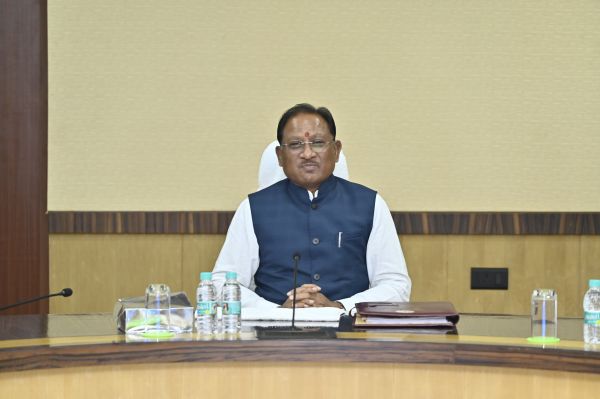
Raipur. Chief Minister Shri Vishnu Dev Sai today conducted a high-level review of the Energy Department's work with senior officials at Mantralaya Mahanadi Bhawan. In the meeting, he reviewed the progress of power generation, transmission, distribution and implementation of central and state government schemes in the state and gave necessary instructions.The Chief Minister stated that electricity is a basic necessity for the common people, and its uninterrupted supply is the government's top priority. Chhattisgarh is among the country's leading power-producing states, and given the growing future demand, timely expansion of energy infrastructure is essential. He directed that off-grid electrified villages be quickly connected to the grid and that power infrastructure strengthening work be completed within the stipulated timeframeLearn more
Describing the PM Suryaghar Free Electricity Scheme as an important step towards electricity self-sufficiency, Mr. Sai stressed the need to increase consumer awareness about it. He directed the government to simplify the solar panel installation and maintenance process, increase the daily number of installations, and install solar panels in all government buildings. He also called for a special campaign to dispel misconceptions related to the PM Suryaghar Free Electricity Scheme and smart meters.The Chief Minister reviewed pending electricity bills and directed the development of a special action plan to provide consumers with the opportunity and convenience to make payments. He also emphasized accelerating grid-based electrification in remote areas of Bastar, increasing renewable energy production capacity, and expanding transmission capacity to meet peak demand.
The meeting was informed that transformer capacity has increased from 24,227 MVA to 27,820 MVA in the last two years, and several projects, including the upgrading of 400/220 kV, 220/132 kV, and 132/33 kV substations, are underway. The Chief Minister also reviewed the Saur Sujala Yojana, Kusum Yojana, Niyed Nella Nar, and village electrification schemes.
Energy Department Secretary Dr. Rohit Yadav, through a PPT, provided information on power generation, transmission, distribution, PM Suryaghar, PM Janman, agricultural pump electrification, Majratola electrification, and renewable energy schemes. He presented an action plan for various development works in the coming years including setting up of new substations, increasing the number of distribution transformers and laying underground cables.
Chief Secretary Shri Vikas Sheel, Principal Secretary to the Chief Minister Shri Subodh Kumar Singh, Secretary to the Chief Minister Shri Rahul Bhagat, senior officers of CSPDCL, CSPGCL, CSPTCL were present in the meeting.
Innovation and technology-based education is essential to make India an economic power: Chaudhary
00 National Seminar at Mahant College,
Raipur. Speaking at a national seminar organized today under the joint aegis of Mahant Laxmi Narayan Das College, Raipur, and the Chhattisgarh Council for Science and Technology, State Finance Minister OP Choudhary stated that to make India a developed nation, there is a need to promote technology- and innovation-based education and new start-ups.
Addressing the inaugural session of the seminar, Mr. Choudhary stated that for sustainable development, we must implement and encourage innovation at every level. Describing Prime Minister Narendra Modi's resolve to make India a developed nation by 2047 as revolutionary for the entire country, he said that Mr. Modi has already formulated a concrete plan and begun work on this. Mr. Choudhary added that as Prime Minister, Mr. Modi has taken decisions that may not be liked by the public but are beneficial for them. The solar power plant launched in the Kutch desert at a cost of Rs. 1.5 lakh crore is an example of this. He pointed out that during the UPA regime, the state-owned airline Air India was incurring losses of Rs. 20 crore per month. That's why Mr. Modi decided to hand it over to private hands as soon as he became Prime Minister. Mr. Chaudhary said that during the UPA's ten-year tenure, India remained at number 11. Today, under Mr. Modi, India has risen from number 11 to number 4.
He said that today, all the countries that are emerging as developed economies are leveraging innovation and technology. He cited the examples of China, Russia, and the United States. He explained that India was the world's largest economy for the first 1700 years of the last 2000 years. However, during the 300 years of slavery, India continued to lag behind. He said that under the Prime Minister's leadership, efforts are now underway to move India forward again. Mr. Chaudhary said that while today's major universities like Cambridge and Harvard are talked about, major institutions like Nalanda and Takshashila in India were even more influential. Citing the examples of Elon Musk and Bill Gates, he said that technology has made them the most powerful people in the world. He said that Apple phones are used worldwide and their turnover exceeds India's total GDP.
Earlier, in the inaugural session of the seminar, Principal Dr. Devashish Mukherjee gave the welcome speech, while IQAC head Dr. Prem Chandrakar threw light on the topic of the seminar. In the program, Education Promotion Committee President Ajay Tiwari, Secretary Anil Tiwari, Vice President RK Gupta, invitee Pushkar Nath from Ranchi University, former Vice Chancellor of Durg University Dr. Aruna Palata, Ravindra Brahme, former Chairman of Private University Regulatory Commission Anjani Shukla, senior journalist Ram Avtar Tiwari, former Principal of Durga Mahavidyalaya Dr. SS Khanuja, Principal of Vipra Mahavidyalaya Dr. Meghesh Tiwari, Prof. Pradeep Dubey of Peloti College and other experts were present
Pragati Portal is a symbol of the new work culture of New India: Chief Minister Sai
Over 3,300 projects worth Rs 85 lakh crore have been accelerated in the country.
00 Investment of Rs 6.11 lakh crore in 99 national infrastructure projects in the state
183 out of 200 issues related to Chhattisgarh resolved
Raipur. Chief Minister Shri Vishnu Dev Sai stated that under the leadership of Prime Minister Narendra Modi, the country and the state are making steady progress toward good governance. Today, India has become the world's fourth largest economy. The Pragati digital platform plays a crucial role in achieving the Prime Minister's vision of a developed India. This platform is a powerful testament to the government's alignment between words and actions and sets an effective example of good governance.
The Chief Minister was speaking to reporters about the Pragati Portal at the New Circuit House in Raipur today. He said that the Pragati Portal is not only a medium for reviewing the country's major infrastructure projects, but also an excellent example of the new work culture of New India. This platform strongly demonstrates the working style of Minimum Government-Maximum Governance.

Chief Minister Sai said that Indian democracy is viewed globally as a model system. This is due to the excellent coordination, cooperation, and collaboration between the central and state governments. The Pragati platform is serving as an effective bridge between the central and state governments for the better implementation of various schemes and projects.
Chief Minister Sai said that Pragati means pro-active governance and timely implementation, that is, ensuring timely and effective implementation of schemes by preparing them in advance. This platform is not limited to monitoring only, but is a powerful medium to ensure accountability in the governance system, increase transparency and bring positive change in the work culture. He said that in the past, the foundation stone of many projects was laid, but there was no fixed time limit for their completion. Many construction works remained pending for years. The Pragati digital platform was implemented to solve problems like delays in schemes, administrative hurdles and lack of departmental coordination.
The Chief Minister stated that the Prime Minister himself holds regular review meetings with Chief Secretaries of States and Secretaries of the Central Government through the Pragati Portal. More than 50 high-level Pragati review meetings have been held so far, ensuring timely resolution of pending projects, underperforming schemes, and citizen grievances. He explained that over 3,300 projects worth approximately ₹85 lakh crore have been accelerated through the Pragati platform. He also noted that significant improvements have been made in the implementation of 61 schemes, including the One Nation One Ration Card, Pradhan Mantri Jan Arogya Yojana, Pradhan Mantri Awas Yojana, PM SVANidhi, and Swachh Bharat Mission. Grievance redressal systems in 36 sectors, including banking, insurance, RERA, Jan Dhan Yojana, and Matru Vandana Yojana, have also been strengthened through Pragati.
The Chief Minister stated that the Pragati digital platform is also being effectively utilized in Chhattisgarh. Currently, 99 national infrastructure projects are underway in the state, with an investment of ₹6.11 lakh crore. Of these, 50 projects have been completed and operational, while the remaining projects are in various stages of progress. He reported that a total of 200 issues related to Chhattisgarh were registered on the Pragati portal, of which 183 have been successfully resolved. Thus, the state's resolution rate exceeds 91 percent. Pending project issues in key sectors such as power, road transport, railways, coal, and steel have been effectively resolved. Sector-wise, 24 projects in the power sector have been resolved, 23 in road transport and highways, 14 in railways, 7 in the coal sector, and 9 in the steel sector.
The Chief Minister said that long-pending projects, such as the modernization of the Bhilai Steel Plant and the Lara Super Thermal Power Project, have gained momentum through the Pragati platform. This has boosted the state's industrial development and created new employment opportunities for local youth. Similarly, the four-lane Raipur-Kodebod road faced land utilization and material supply issues, which were resolved through the Pragati platform.
Chief Minister Sai stated that the Chhattisgarh government is working with full commitment to completing development projects in a timely and transparent manner. Our government has also implemented several such innovations toward good governance in Chhattisgarh. Oxford University has also praised this innovation, calling it an effective mechanism for developing economies. He added that when the Prime Minister speaks of his vision for a developed India, these are not just words, but a complete roadmap for a developed India. This is proven by innovations like the Pragati Platform.
Chhattisgarh is the state building the maximum number of PM houses every day in the country - Deputy Chief Minister Sharma
Panchayats will be strengthened by restarting the Gram Sachivalaya.
41 important roads in the remote areas of Bastar, which remained incomplete for years, have now been completed.
Raipur. Deputy Chief Minister Shri Vijay Sharma has said that rural secretariats will be restarted to quickly resolve the problems of rural areas. He said that Chhattisgarh ranks first in the country in terms of building PM houses at the fastest pace. The highest number of PM houses are being built here every day. He said that 18 lakh PM houses were approved in the first cabinet itself to provide housing to eligible families in the rural areas of the state. These houses are being completed rapidly. Deputy Chief Minister and Panchayat and Rural Development Minister Shri Vijay Sharma said this while addressing the journalists in a press conference held today at Samvad Bhawan, Nava Raipur. On this occasion, he gave detailed information regarding the innovations, achievements and future action plans made by the Panchayat and Rural Development Department in the last two years.
Deputy Chief Minister Mr. Sharma said that we had previously fought for the "More Housing, More Rights" campaign, and now it's time for results. After the elections, the government approved 1.8 million houses, including those incomplete for years, those on the waiting list, those included in Awas Plus, and those under the Chief Minister's Housing Scheme. He stated that housing has been provided not only to the homeless, but also to over 3,000 surrendered and Naxal-affected families. Approval has been granted to over 33,000 people from Special Backward Tribes under the PM Janman and Niyyad Nella Nar, and over 9,000 in Naxal-affected areas, of which over 2,000 houses have been completed. Self-help group members have also played a crucial role in accelerating housing construction in the state. In some cases, they became dealers to supply building materials to villages, while in others, they manufactured centering plates to ensure uninterrupted supply to villages. Employment has been provided by training more than 8000 dealer Didi for supplying centering plates and other construction materials to the housing beneficiaries and more than 5000 masons have been provided employment by training them through ARSETI and Project Unnati for building houses.
He said, "During the election, we promised to ensure financial transactions in every village. Today, in two phases, transactions totaling more than ₹919 crore have been completed through 6,195 Atal Digital Suvidha Kendras in the state. Now, people don't need to go outside their villages to withdraw money or perform banking tasks."
On this occasion, he informed that the state has also begun collecting panchayat taxes online through the Samarth Panchayat portal. Sankara in Chhattisgarh's Dhamtari district is the first gram panchayat in the country where tax collection was done through UPI. Recently, the Secretary of the Union Panchayat Ministry praised this initiative and urged Maharashtra's panchayats to take inspiration from it. Now, Bombay will also learn from Raipur how the digital revolution is being adopted in every village of the state.
Online documentation of assets in the state is also being done through the Gram Sampada mobile app so that information about the infrastructure built in the village can be obtained online and better plans can be made for village development. Chhattisgarh has been a leading state in conducting the elections of three-tier Panchayats on time by implementing the new reservation provision in compliance with the decision of the Honourable Supreme Court, whereas this has not been possible till now in big states like Maharashtra and Telangana.

To increase the participation of rural women and boost their self-confidence, 368 Mahatari Sadans are being constructed in the state, of which 137 have been completed. Fulfilling the promise made in the manifesto, the government has provided approximately ₹49.30 crore in arrears for the difference in the new pay scales of Panchayat Secretaries.
In the construction of PM Janman roads, roads from Amethi to Kamardera, Doomarpali to Kamardera, Mama Bhancha to Kamardera, Joratarai to Kamardera have been constructed in Mahasamund district by using waste plastic obtained from Swachhatagrahi Didis. He told that there were 41 such roads in Naxal affected areas of Bastar division, which were not constructed for many years, their construction has been completed today. Tumdipara road of Tadmetla in Sukma district which was pending for eight years, and Nadenar to Katekalyan Kapanar road of Dantewada which was incomplete for 20 years have been completed.
He informed that for the first time since independence, 807 roads are being constructed under PM Janman to connect settlements of Scheduled Tribes (Specially Backward Tribes). Roads have been constructed to the Pahari Korwa community of Bandhokona B, located in the inaccessible hills of Manora development block of Jashpur, and to the settlements of the Scheduled Tribe Baiga community living in Shambhupipar of Kawardha. In the fourth phase of PMGSY, roads spanning over 2500 km will be constructed in the state. A plan has been developed to monitor the construction of these roads through ISRO and geo-imaging, so that road construction anywhere in the state can be monitored at any time from the headquarters.
He informed that to encourage the women of the state, the monthly radio program "Didi Ke Goth" is being conducted on the second Thursday of every month by the women of the self-help groups. The "Chhattiskala" brand has been created for standardizing the products produced by the women of the self-help groups and for their marketing and branding. The women of Bastar are also processing and marketing the forest produce grown in the village themselves. In the coming times, these women will be seen selling their products in big cities like Delhi and Mumbai as well.
Under Swachh Bharat Mission Gramin, along with completing the construction of toilets for 1.86 lakh families in the state, community toilets have been constructed in 2000 schools, Anganwadis and 1000 tourist places, religious places, haat bazaars, bus stands.
To ensure transparency and accountability in MNREGA, QR codes have been installed alongside development works in all gram panchayats across the state. By scanning these codes with a mobile phone, anyone can obtain complete information about all ongoing works in the gram panchayats. So far, more than 450,000 people have accessed information about the scheme by scanning the QR codes. The state government has also been honored for this.
In a novel initiative towards water conservation, under the "More Village More Water" campaign, more than 2.32 lakh water conservation works have been completed through collective labour and public participation. More than 10,000 livelihood ponds are being constructed in the state. In the last two years, 86 camps have been set up in Naxal-affected areas, providing various facilities in 494 villages.
On this occasion, Principal Secretary Ms. Niharika Barik, Secretary Mr. Bhim Singh, Commissioner Mr. Taran Prakash Sinha, Director Mr. Ashwini Devangan, Director Panchayat Ms. Priyanka Mahobiya and other officers were present.