
Adopt Kodo-Kutki cultivation, get both nutrition and prosperity
From traditional heritage to modern identity
(L.D. Manikpuri, Assistant Public Relations Officer)
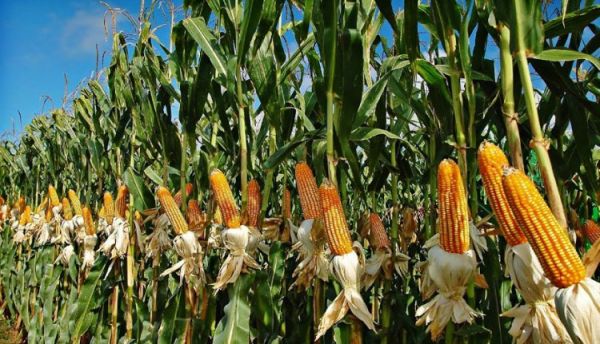
Kodo and Kutki hold special significance in Chhattisgarh's rich agricultural tradition. These minor grains, integral to the diets of tribal and rural communities for centuries, are once again a topic of discussion among farmers, agricultural scientists, and health experts. Amid changing climatic conditions, nutritional challenges, and the need for improved agriculture, millet crops like Kodo and Kutki are emerging as a strong foundation for future agriculture.
Kodo (Paspalum scrobiculatum) and kutki (Panicum sumatrense) are crops that can be successfully grown with little water, low input costs, and limited resources. This is why they are becoming a means of economic security for small and marginal farmers. They are also possible to cultivate in low-fertility, rocky, and sloping soils where other crops cannot produce the desired yield.
Today, as the world returns to healthier eating, the importance of kodo and kutki has increased. Kodo is rich in protein, carbohydrates, iron, and calcium, while kutki is rich in fiber, protein, phosphorus, and other minerals. Experts say that regular consumption can help manage conditions like diabetes, high blood pressure, obesity, and anemia. This is why they are now being recognized as "super foods."
The Chhattisgarh government is also making continuous efforts to promote millet crops. In the year 2026, the minimum support price of Kodo has been fixed at Rs 3,200 per quintal and that of Kutki at Rs 3,350 per quintal. This has increased the enthusiasm of farmers towards cultivation of these crops along with getting better prices. According to departmental information, in Kharif year 2025, Kodo crop was planted in 39.02 hectares and Kutki crop in 38.03 hectares in the state. However, in the last Kharif year, the production of Kodo per hectare was recorded at 550 kg and that of Kutki at 675 kg. That is, the production of Kodo was 21.46 tonnes, while that of Kutki was 25.67 tonnes.
Chief Minister Shri Vishnu Dev Sai has also appealed to the farmers to increase the production of crops like Kodo, Kutki and Ragi along with paddy.
Agricultural scientists believe that adopting advanced techniques can significantly increase the productivity of kodo-kutki. With the onset of the monsoon, from the last week of June to the first fortnight of July, measures such as sowing, seed treatment, row planting, balanced fertilizer management, and timely weed control can ensure improved yields for farmers.
Growing market demand, the expansion of millet-based products, and government incentive schemes are steadily increasing the commercial importance of these crops. Once confined to rural and tribal areas, kodo-kutki is now making its mark in national and international markets.
Kodo and Kutki are vital crops for nutritional security, environmental protection, and the economic development of farmers. The need is for farmers to increase the production of these traditional crops with modern technologies, and for consumers to incorporate them into their daily diets. Kodo and Kutki are not just grains, but the foundation of a healthy society, excellent agriculture, and a prosperous future








.jpeg "A New Milestone in Good Governance : CM Helpline Becomes the Voice of the People, Over 92,000 Complaints Registered and More Than 42,000 Grievances Resolved in Just One Month,48 Government Departments on a Single Platform; Raipur Leads Among Districts, Energy Department Tops in Grievance Redressal")