Seva Sankalp Abhiyan 2026: A Story of Service
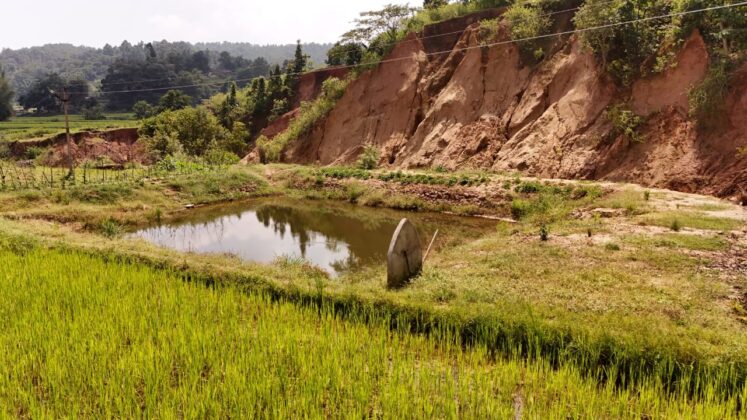
Campaign to save every drop of water, villagers getting local employment
Water conservation works in Ordih and Arakona of Manora gain momentum, with 3800 contour trenches constructed.
Rural livelihoods are being strengthened with water harvesting from Dabri, Gabion, LBCD and Boulder Check Dams
Raipur, October 2026/ In Jashpur district, water conservation work is being prioritized to conserve rainwater, enrich groundwater, and provide local employment to villagers. Under the VBG Ram Ji Yojana, various water conservation structures are being constructed in the village panchayat of Ordih and the dependent village of Arakona in the Manora district.
These works are aimed at maximizing the retention of rainwater within the village, controlling rapid water flow, reducing soil erosion, and promoting groundwater recharge. The construction of water conservation structures is expected to improve water availability for agriculture and livelihood activities, while also providing employment to local villagers.
Construction of 3800 contour trenches at Ordih and Arakona
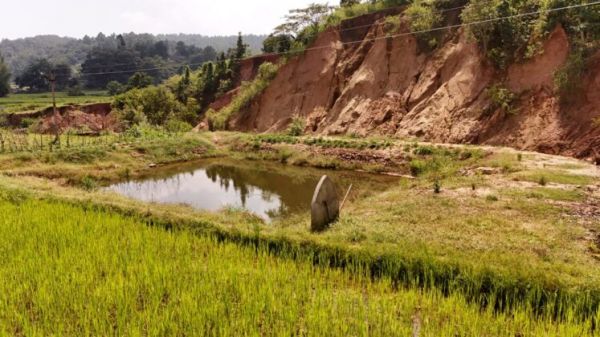
Towards water conservation, a total of 3,800 contour trenches have been constructed, including 1,700 in Arakona and 2,100 in Ordih. Additionally, construction of five livelihood ponds and 10 gabion structures has been completed. Work on 10 LBCDs has also been completed in Ordih.
Ten boulder check dams are to be built in the Lohra Nala of Arakona, of which six have been completed and the remaining are in progress. These water conservation structures, of varying nature, are designed to capture rainwater and ensure its optimal use, tailored to local geographic conditions.
Initiative to save farm water in the farm and village water in the village
Structures such as contour trenches, gabions, and boulder check dams help slow down the flow of rainwater and retain water locally. This helps control soil erosion, recharge groundwater, and maintain moisture in the surrounding areas. This can further benefit agriculture and other livelihood activities.
At the same time, livelihood ponds can become the basis for water conservation, irrigation, fish farming, and other income-generating activities for rural families. These water conservation structures, while conserving natural resources, also increase the potential for strengthening rural livelihoods.
Along with water conservation, employment is being provided in the village itself.
An important feature of these water conservation initiatives is the creation of local employment. The involvement of villagers in the construction of water conservation structures provides them with employment opportunities within their villages. This creates sustainable assets for rainwater harvesting while also supporting the livelihoods of rural families.
Water conservation initiatives are being implemented in the district, tailored to local geographic conditions and rural needs. These efforts in Ordih and Arakona are important initiatives to conserve every drop of rainwater, making villages more water-efficient, and linking water conservation with employment and livelihoods.
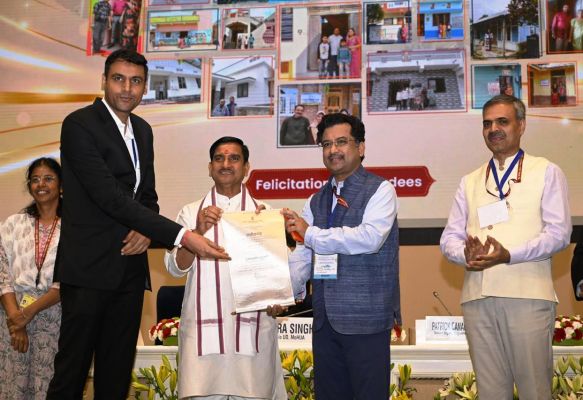



.jpeg "A New Milestone in Good Governance : CM Helpline Becomes the Voice of the People, Over 92,000 Complaints Registered and More Than 42,000 Grievances Resolved in Just One Month,48 Government Departments on a Single Platform; Raipur Leads Among Districts, Energy Department Tops in Grievance Redressal")