State Foundation Day special
26 Years of Chhattisgarh – A Golden Saga of Struggle, Determination and All-Round Development
Dhananjay Rathore,
Joint Director, Public Relations, Raipur
On November 1, 2000, Chhattisgarh separated from Madhya Pradesh to become India's 26th state. This dream was realized under the visionary leadership of former Prime Minister Atal Bihari Vajpayee. When Chhattisgarh emerged as a new state on November 1, 2000, separated from Madhya Pradesh, the challenge of shaping a future lay in the midst of resource constraints, administrative challenges, and backwardness. Today, as Chhattisgarh completes 26 glorious years of its existence, the milestones it has achieved in the field of development are not only inspiring but also demonstrate how strong will and public participation can transform the destiny of any state.
Historic leap in budget and economy
Chhattisgarh's budget, which began with limited financial resources of approximately ₹7,000-₹8,000 crore in the early days of the state's formation, has now grown to ₹1.72 lakh crore. This is a testament to the state's rapid economic growth. Once known as the nation's "rice bowl," the state has now become a strong pillar on the country's industrial map, thanks to its mineral wealth (coal, iron ore, bauxite), steel, cement, and energy production. Global investment and the expansion of modern industries have given the state's economy a new impetus.
Women Empowerment
Women empowerment has emerged as a key identity of the Sai government. In 31 installments of the Mahatari Vandan Yojana, an amount of more than Rs 20 thousand crore has been given directly into the accounts of about 68 lakh eligible women. 13.85 lakh women in the state have become Lakhpati Didi. Under the Bihan Mission, women from more than 31 lakh poor families of the state are associated with self-help groups. To increase the economic participation of women, a concession of 50 percent in registration fee and one percent in stamp duty has been given in property registration.
Our farmers are the strength of the rural economy
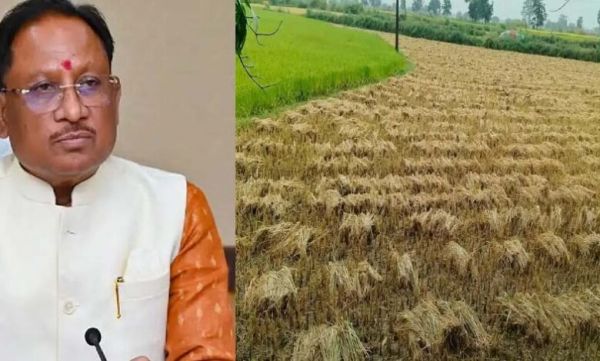
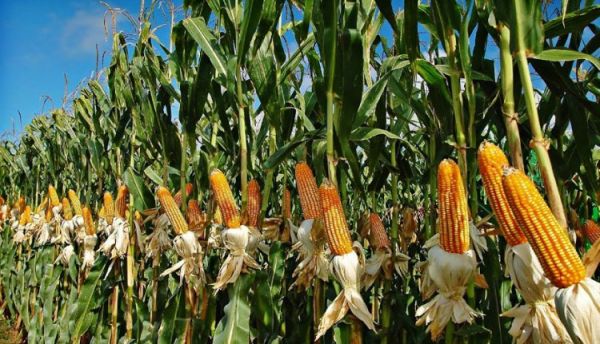
So far, 2.44 million houses have been approved under the Pradhan Mantri Awas Yojana (Gramin). On average, approximately 1,600 houses are being completed daily in the state. In two and a half years, more than 1.1 million houses, including both old and newly approved houses, have been handed over to beneficiaries. Farmers were given the facility to sell paddy at the rate of ₹3,100 per quintal, at the rate of 21 quintals per acre. In the Kharif marketing year 2025-26, 141.04 million metric tons of paddy was purchased from 25.24 million farmers. A total of approximately ₹43,723 crore was disbursed to farmers through the support price and the Krishak Unnati Yojana. Improvements in the procurement system, such as online tokenization, biometric verification, and real-time monitoring, have greatly facilitated farmers.
The central government has achieved significant progress in expanding road connectivity in remote, inaccessible, and tribal areas of the Bastar division. Approval has been received to connect 485 settlements in Bastar to the mainstream, while proposals have been received for 263 road works costing ₹804.06 crore to connect 280 other settlements with all-weather roads. The state government's efforts to accelerate development and connect remote villages to the mainstream, along with a decisive campaign against Naxalism in Bastar, are receiving support from the central government.