
From Handloom to Earning – The Secret to Success of the Women of Gram Nari
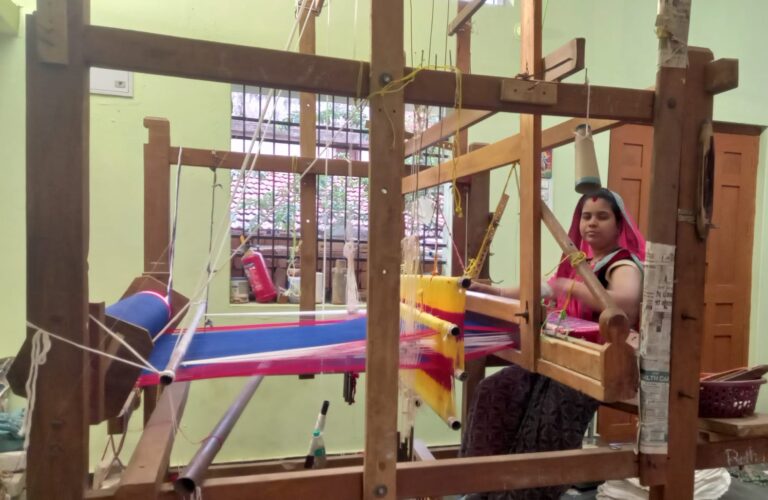
Raipur: Through its collective efforts, hard work, and vision, the Gramodaya Weavers Cooperative Society has created a success story that not only symbolizes economic progress but also demonstrates that rural women, given the opportunity and support, can achieve remarkable success in any field. Today, the small village of Nari in Dhamtari district is a remarkable confluence of self-reliance, tradition, and innovation. Once a village with limited resources and opportunities, this village has now become an inspiring example of rural development and women's empowerment.
A new beginning rooted in tradition
Weaving wasn't a primary occupation in Nari village before, but the committee ventured into the field after seeing a growing demand for Sambalpuri saris in the neighboring state of Odisha. Sambalpuri saris are known for their distinctive ikat designs and vibrant colors, requiring a high degree of skill and patience to create.
Strong government support
To make the society self-reliant, the Chhattisgarh government is regularly supplying yarn under the Government Textile Production Program, providing regular employment to the weavers and financial assistance in the form of service charges for the smooth functioning of the societies. Furthermore, innovative weaving training and the distribution of new looms to the weavers have increased production capacity. This support has empowered the society financially and enabled it to produce textiles that meet market demand.
Growing market and income
Today, the saris produced by the Gramodaya Weavers Cooperative Society (Gram Nari) are sold primarily in Odisha markets. Currently, the society produces 300-400 saris per month, bringing its monthly turnover to approximately 300,000 to 400,000 rupees, a significant achievement at the rural level.
Women's Empowerment
This initiative has not only increased income sources but also given women economic independence and developed collective decision-making capabilities. Women who were previously unfamiliar with this work have now become skilled weavers and are confidently contributing to production. Women who previously earned 300-350 rupees per day from government textile production are now earning 550-600 rupees. In the future, with additional skill-upgrading training and expertise, they will be able to earn 1000-1200 rupees per day.
Future Direction
Today, this village women's cooperative is moving strongly toward self-sufficiency. With further support through branding, digital marketing, and access to new markets, it could achieve even greater recognition. This story demonstrates that when government support and community hard work come together, even small villages can become great examples of success.











.jpeg "A New Milestone in Good Governance : CM Helpline Becomes the Voice of the People, Over 92,000 Complaints Registered and More Than 42,000 Grievances Resolved in Just One Month,48 Government Departments on a Single Platform; Raipur Leads Among Districts, Energy Department Tops in Grievance Redressal")