World Intellectual Property Day: A Celebration of Intellect and a Cultural Heritage of Innovation
The history of human civilization is not merely a history of stones, metals, and machines; it is the history of those invisible thought waves that transformed nothingness into creation and imagination into reality. These ideas, these creativity, and these innovations constitute humanity's true capital, which we know as "intellectual property." World Intellectual Property Day, celebrated every year on April 26th, is a powerful proclamation of the truth that the true strength of any nation lies not in its material resources but in the creativity of its minds. Today, as the world rapidly moves toward a knowledge-based economy, this day is not merely a ceremonial occasion but a call to awareness. A call that propels us beyond the passive role of "consumer" to the active consciousness of "creator."
History: A global pledge to protect ideas
Only when human society realized that the theft of ideas has even more pernicious and far-reaching consequences than the theft of labor did the need for intellectual property protection take clear and organized form. In the late nineteenth century, the Paris Convention (1883) and the Berne Convention (1886) established a global framework for the protection of industrial inventions and literary works. This was a watershed moment when creativity and innovation began to receive international recognition and protection. The subsequent establishment of the World Intellectual Property Organization (WIPO) in 1967 provided an institutional basis for these efforts and transformed intellectual property protection into a powerful global mechanism. Later, in 2000, member countries decided to celebrate April 26th as World Intellectual Property Day. This is the historic date when the WIPO Convention came into effect in 1970, giving new direction and momentum to the global protection of intellectual property.
The Nature of Intellectual Property: The Tangible Power of the Intangible
Intellectual property is the intangible heritage that springs from human intellect, imagination, and creative labor. It finds expression in the words of a book, flows in the rhythm of a melody, is embodied in a scientific formula, or takes shape in the innovative design of a product. Although its form is not directly visible, its impact is profound, profound, and far-reaching. It not only grants creators recognition and authority, but also protects and encourages their efforts. This protection sustains the continuous flow of innovation and propels society toward continued progress.
Key Dimensions: Various Gems of Intelligence
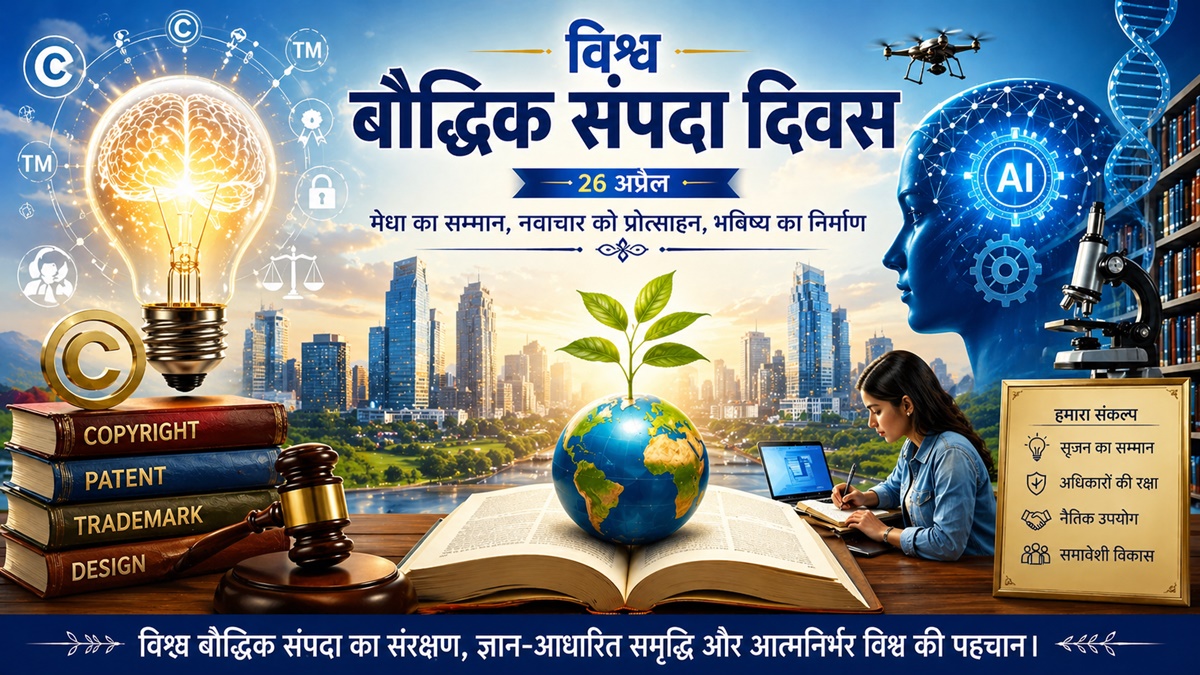
Intellectual property, in its various forms, not only enriches human life but also provides the foundation for protection, recognition, and continuous progress. Patents (shields of innovation): By providing legal protection to scientific inventions and technological breakthroughs, it accelerates the process of research and development, allowing new ideas to flourish in a safe environment.
Copyrights (guardians of imagination): By protecting literature, music, art, cinema, and other creative expressions, it ensures respect for the creator's originality and labor. Trademarks (symbols of identity): By establishing a unique identity for products and services, it builds the foundation for consumer trust and credibility in the marketplace. Industrial design (the union of beauty and utility): By distinguishing the form, structure, and visual appeal of objects, it offers a balanced coordination of beauty with utility. All these dimensions together create the "Kalpavriksha" (the tree of imagination), under whose shade humanity experiences the joy of creation, innovation, and sustainable development.
Culture and Intellectualism: The Modern Extension of Tradition
The culture of any nation is its soul, and intellectual property is the creative expression of that soul. In a country like India, where knowledge is considered the highest asset, intellectual property is not limited to legal rights but is deeply intertwined with cultural preservation and the promotion of traditions. Folk arts, traditional knowledge, Ayurveda, handicrafts, and regional specialties are not merely commercial products but living carriers of the collective consciousness, experiences, and outlook of generations. Their originality and uniqueness are what distinguish them in the global landscape. Therefore, provisions like Geographical Indications (GI) tags not only provide international recognition to these invaluable heritages but also provide a powerful shield for their protection, ensuring a balance between tradition and innovation, ensuring the safe passage of cultural heritage to future generations.
Spiritual Perspective: The Divine Dimension of Creation
In the Indian tradition of thought, creation is not merely an intellectual process, but a profound spiritual practice. When a scientist makes a new discovery or an artist creates a new work, they are engaging with the subtle consciousness of their inner self, called "prajna," the divine understanding that transforms knowledge into experience. In this view, intellectual property rights are not merely a means of providing economic security to the creator; their broader and higher purpose is to realize the spirit of "for the welfare of all, for the happiness of all." The true value of creation is realized only when it transcends individual achievement and becomes the basis for social welfare. Ultimately, the light of knowledge is the eternal lamp that dispels the darkness of ignorance and illuminates humanity on the path of progress, wisdom, and consciousness.
Role in the global economy: a driver of growth
In the modern global landscape, intellectual property has emerged as a central pillar of economic progress. It not only protects rights but also creates a strong ecosystem for innovation and entrepreneurship. Intellectual property: Continuously encourages innovation, enabling the development of new ideas and technologies. Attracts investment, as capital flows more smoothly in a secure environment. Creates new employment opportunities, especially in knowledge-based and creative sectors. Strengthens nations in global competition, enabling them to establish their distinctive identity in the international marketplace. In this era of a knowledge-based economy, only those nations become leaders that not only recognize their creative potential but also effectively protect, cultivate, and promote it.
The Indian landscape: A confluence of tradition and technology
Intellectual property in India is extremely multifaceted and rich. It offers a remarkable confluence of ancient knowledge traditions and modern innovation. On the one hand, there is the legacy of the Vedas, Ayurveda, and folk wisdom, and on the other, the rapid advancement of digital technology, startup culture, and scientific research. These two streams together create a robust creative ecosystem. In recent years, the rise of startup culture, the expansion of digital innovation, and government policy initiatives have significantly increased awareness of intellectual property. The growing understanding of patents, trademarks, and copyrights indicates that India is gradually moving steadily towards a knowledge-based economy. However, the need for widespread public awareness, accessible processes, and effective enforcement remains. Unless the value of creativity and its protection is recognized at every level of society, the true potential of intellectual property will remain unrealized.
Challenges of the Digital Age: The Duality of Speed and Security
The internet and digital technologies have provided unprecedented speed and ease to the creation, communication, and dissemination of knowledge. But with this rapid expansion, many complex challenges have also emerged, such as piracy and illegal copying, data theft, and the continued violation of intellectual property rights on digital platforms. At the same time, the rise of artificial intelligence (AI) has raised a new philosophical and legal question. Who is the true owner of creation: humans or machines? This question has become central not only to technical but also ethical and legal debate. At such a time, this era demands balance. A balance that ensures effective protection of creators' rights, while also not stifling the free flow of knowledge, innovation, and creativity.
Education and awareness: the foundation of the future
The most powerful and lasting means of protecting intellectual property is widespread awareness. Unless diverse sections of society, especially the younger generation, understand its importance, even legal provisions will fail to have the desired impact. Therefore, it is essential that education on intellectual property be incorporated into school and university curricula. This will not only foster creativity in students but also make them sensitive and responsible towards their own and others' rights. Indeed, awareness is the foundation upon which a society can be built where innovation is encouraged and respect for creators' rights becomes a natural part of culture.
Future Directions: The Ethical Path of Innovation
In the coming times, the role of intellectual property will become even more central and decisive in emerging fields such as biotechnology, artificial intelligence, and digital innovation. While rapid progress in these areas expands new opportunities, it also raises complex questions related to ownership, rights, and ethics. In such a scenario, a balanced, visionary, and responsible approach is essential. This requires timely and effective laws that protect the rights of creators while encouraging innovation; global cooperation that ensures equitable and transparent exchange of knowledge and technology; a strong ethical perspective that connects technology with human values; and inclusive development, so that the benefits of innovation reach every section of society equally. Undoubtedly, the path of the future must not be merely technological advancement, but innovation with ethics and responsibility, where humanity prospers alongside progress.
The Inexhaustible Patra of Wisdom
World Intellectual Property Day brings to us the profound realization that while material resources may have their limitations, the energy of ideas, imagination, and creativity is truly limitless. The human mind serves as an inexhaustible source, constantly generating innovation, redefining itself, and opening up new vistas of knowledge with changing times.
Intellectual property is not just a legal framework of rights; it is the foundation of human civilization's development, providing encouragement, protection, and recognition to creators. Only when an idea is protected does it transform into innovation, generating value for both society and the economy. Therefore, the significance of this day is not limited to celebration, but also a call for responsibility and awareness. Let us pledge to become creators and innovators, not just consumers of knowledge; we will respect every creation and be vigilant in protecting intellectual property rights; and we will dedicate our intellect, energy, and innovation to the overall well-being and sustainable development of humanity. Ultimately, ideas are the eternal light that guides civilization, deepens culture, and forms the foundation for the future. If this light is protected, respected, and given moral direction, humanity's development will not only accelerate but also prove to be more balanced, inclusive, and sustainable.
.jpeg "A New Milestone in Good Governance : CM Helpline Becomes the Voice of the People, Over 92,000 Complaints Registered and More Than 42,000 Grievances Resolved in Just One Month,48 Government Departments on a Single Platform; Raipur Leads Among Districts, Energy Department Tops in Grievance Redressal")