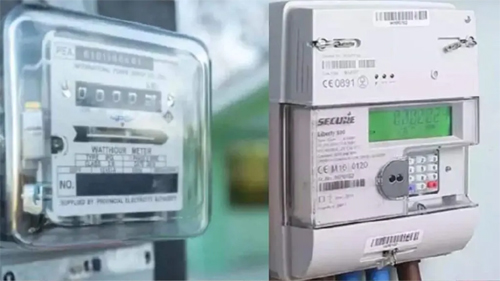
Smart Meters: The next natural step in the evolution of electricity meters
Feature Article - Govind Patel (Deputy General Manager Public Relations), Chhattisgarh State Power Companies, Raipur)
In today's world, information is the greatest power. Those who have accurate and timely information can make better decisions. Smart meters provide electricity consumers with this ability. They allow them to understand, analyze, and control their electricity consumption as needed. I remember my old Maruti 800 car. It had only a petrol indicator along with a kilometer meter. This only indicated the vehicle's mileage and remaining fuel consumption. However, the smart digital dashboards of today's cars provide real-time information about the vehicle's mileage, the speed at which fuel consumption is increasing, and the distance it can travel. With increased information, vehicle control has also improved.
The electricity meter has had a similar journey. When electricity first reached homes in the nineteenth century, many consumers were charged based on the number of bulbs. Later, mechanical meters were developed. Electro-mechanical meters were widely used in India for a long time. These consisted of rotating discs that recorded electricity consumption. There was a time when electricians went door-to-door with diaries, taking readings. This system was useful for its time, but the possibility of human error remained. Later, electronic meters were introduced, significantly reducing the possibility of tampering. Multi-function digital meters were developed, which, along with electricity consumption, also recorded technical information such as voltage and maximum demand. A system for generating instant bills was also developed. Despite this, a shortcoming remained: consumers only learned how much electricity they had consumed at the end of the month. They lacked the opportunity to monitor and control their daily consumption.
This is where the need for smart meters was realized. In 2001, Italy began using smart meters on a large scale. Today, smart meters have become an important part of the electricity system in most developed and many developing countries. The biggest difference between traditional meters and smart meters is the flow of information. Data from smart meters reaches the company's servers. Where this feature is available, consumers can also view details of their electricity consumption through a mobile app. This means that electricity information is no longer solely in the hands of the power company, but is also in the hands of consumers.


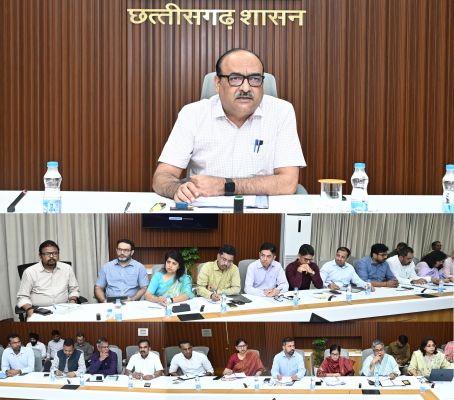
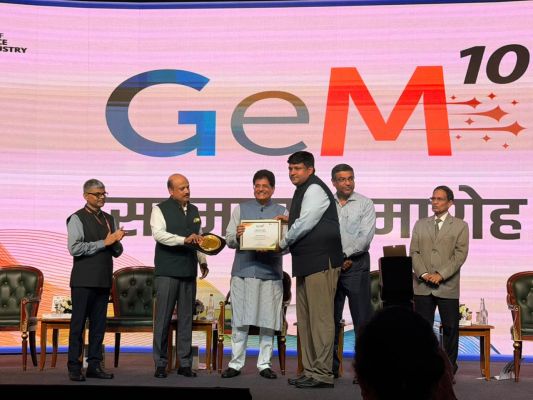

.jpeg "A New Milestone in Good Governance : CM Helpline Becomes the Voice of the People, Over 92,000 Complaints Registered and More Than 42,000 Grievances Resolved in Just One Month,48 Government Departments on a Single Platform; Raipur Leads Among Districts, Energy Department Tops in Grievance Redressal")