Government supports farmers on Hareli: 141.05 lakh metric tons of paddy purchased, payment of Rs. 3,100 per quintal; tradition of Gidi and Mati worship still alive in villages
Raipur. Agriculture is the backbone of Chhattisgarh's economy, and the state is known as the rice bowl. The state government has taken several policy decisions over the past two and a half years to strengthen the economic situation of farmers.
Under the leadership of Chief Minister Vishnu Dev Sai, the government procured 141.05 lakh metric tons of paddy from farmers at the support price during the last Kharif marketing year. Registered farmers purchased 21 quintals of paddy per acre at a rate of Rs 3,100 per quintal.
Apart from this, Rs 3,716.38 crore of paddy bonus due for the last two years of the Raman government was transferred to the accounts of farmers.
Hareli Tihar is Chhattisgarh's first major folk festival, linked to this agricultural culture. Celebrated on the new moon day of the Krishna Paksha (dark fortnight) of the month of Sawan, this festival celebrates greenery, agriculture, livestock, and rural life.
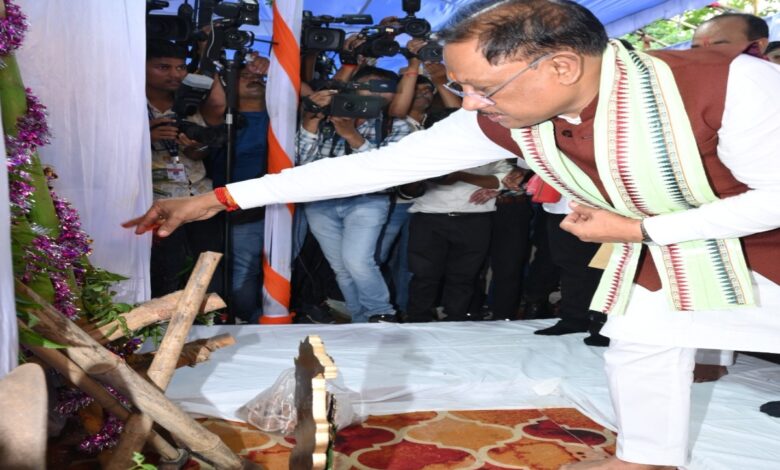
On Hareli, farmers bathe their cows and bulls in the morning. Afterward, plows, plows, hoes, spades, pickaxes, pickaxes, and other agricultural implements are cleaned and worshipped by laying gravel in the courtyard.
Traditional dishes, including Gudha Cheela and Gulgul Bhajiya, are offered. The village Thakurdev and other deities are also worshipped.
Hareli is incomplete without Gedi.
The most distinctive feature of Hareli is the gadhi (a sacred festival). Children and young people enthusiastically climb on the bamboo gadhi (a sacred festival). Traditional games like coconut throwing, kabaddi, kho-kho, phugdi, and billas are also played in villages.
The tradition of feeding medicinal mixture to animals and placing neem branches in homes is also followed.
Hareli is not just an agricultural festival, but also a symbol of social harmony and gratitude to nature and livestock. Through the collective celebration of villagers, this festival keeps Chhattisgarh's soil, folk culture, and traditions alive from generation to generation.





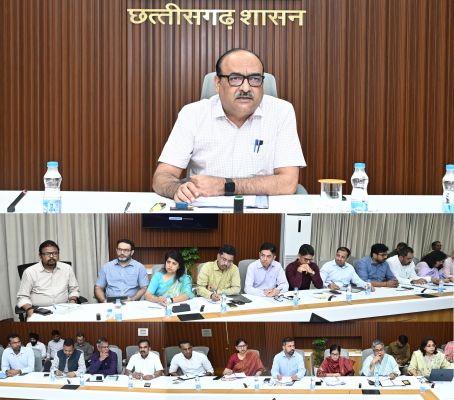
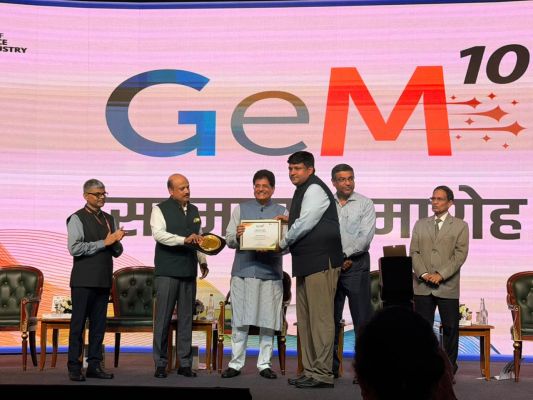

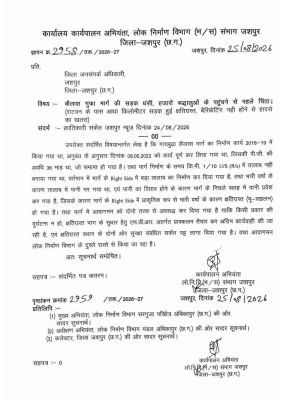
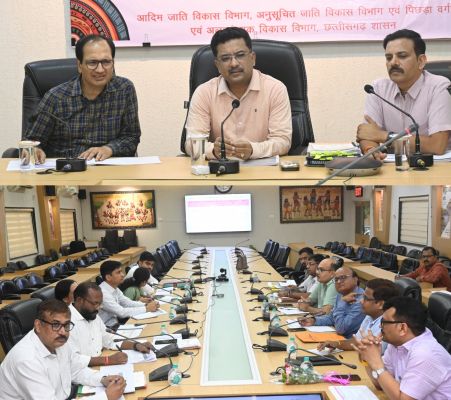
.jpeg "A New Milestone in Good Governance : CM Helpline Becomes the Voice of the People, Over 92,000 Complaints Registered and More Than 42,000 Grievances Resolved in Just One Month,48 Government Departments on a Single Platform; Raipur Leads Among Districts, Energy Department Tops in Grievance Redressal")