Hareli Tihar: Chhattisgarh's first folk festival associated with soil, agriculture and greenery.
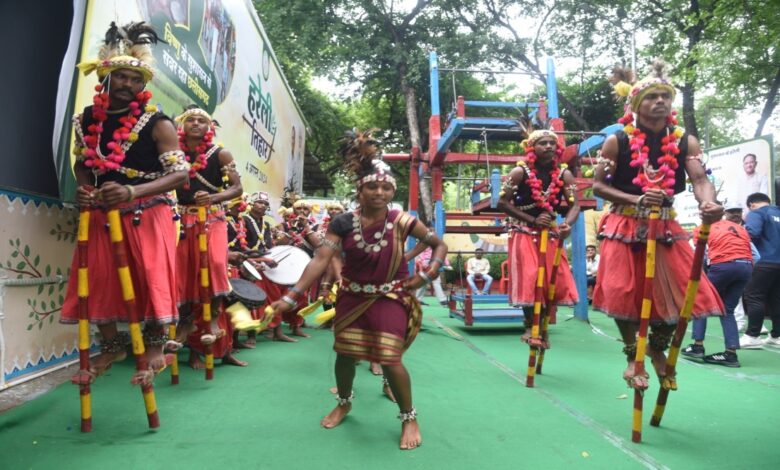
Celebration of geedi, coconut throwing, and traditional cuisine, with worship of agricultural tools and livestock; conveys a message of gratitude towards nature
Raipur. In Chhattisgarh's folk culture, festivals are not just celebrations, but rituals deeply connected to nature, agriculture, and rural life. Hareli Tihar holds special significance among these folk festivals. Celebrated on the day of Sawan Amavasya, also known as Hariyali Amavasya, Hareli is considered Chhattisgarh's first major festival. The lush crops in the fields and the surrounding greenery connect this festival with the colors of nature.
Hareli is derived from the word "greenery." On this day, farmers worship their agricultural tools. Farming implements, including plows, shovels, hoes, pickaxes, saws, and hammers, are washed and cleaned and worshipped with sandalwood paste, flowers, incense, rice, and traditional dishes. This is an opportunity for farmers to express gratitude to the tools that support them in farming.
Livestock servitude and traditional beliefs
On Hareli, cows and bulls are bathed, decorated, worshipped, and fed traditional medicinal mixtures. Bulls are considered the backbone of agriculture, so prayers are offered for their health and prosperity on this day. There is also a tradition of placing neem twigs at the doorsteps of homes.
The excitement of gaadi and games
The most attractive part of Hareli is climbing the Gidi. Villages organize Gidi races, coconut throwing, kho-kho, phugdi, billas, and other traditional games. Children and youth participate enthusiastically in these games.
Chhattisgarhi dishes like Gudha Cheela, Aairsa, Chausela, Bobra, Gulgula Bhajiya, Thethri, Khurmi, and Sohari are prepared on this occasion. Hareli teaches us to respect nature, livestock, agriculture, and folk traditions. Even in modern times, this festival keeps alive the identity of Chhattisgarh's soil and culture.



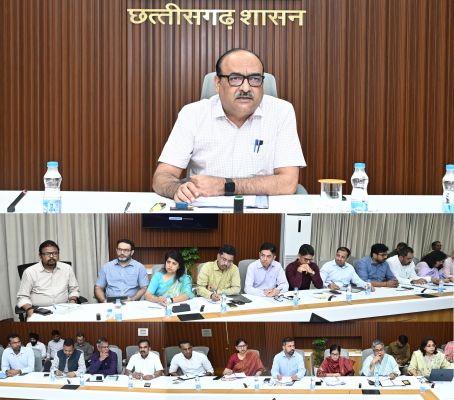

.jpeg "A New Milestone in Good Governance : CM Helpline Becomes the Voice of the People, Over 92,000 Complaints Registered and More Than 42,000 Grievances Resolved in Just One Month,48 Government Departments on a Single Platform; Raipur Leads Among Districts, Energy Department Tops in Grievance Redressal")