When the gun was fired, a golden future was in hand: The lives of surrendered youth in Sukma are writing a new story of development.
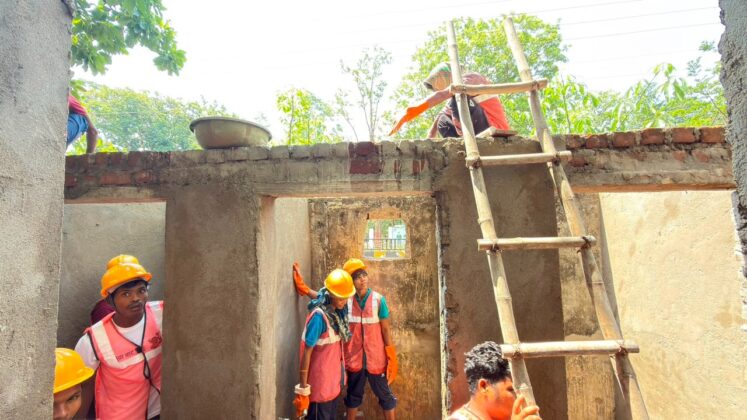
The hands that once held weapons will now build homes for the poor.
Hope returns to the lives of young people like Sodi Hoongi and Padam Rainu, their talent has given them a new basis to live with dignity.
A unique rehabilitation initiative in Sukma has become a national example, providing employment opportunities to over 280 surrendered youth.
Raipur, June 6, 2026/ Bastar has long been associated with conflict, fear, and the shadow of Naxalite violence. In the dense forests of Sukma, generations grew up, hearing more gunfire than development, experiencing more fear than school, and facing more struggles than dreams. But today, a story is emerging from that very Sukma that is not just about change, but about hope and faith.
This story is about young people who once chose the path of violence, but today, with the tools of construction in their hands, they are preparing to become partners in society's development. This is the story of daughters who have chosen the path of self-reliance, leaving behind the uncertain life of the forests. This is the story of administrative sensitivity that has not only given surrendered youth the opportunity to return to the mainstream, but also provided them with a new foundation for living with dignity.
Under the leadership of Chief Minister Shri Vishnudev Sai, the state government's rehabilitation and skill development program, a joint effort by the Sukma District Administration and SBI RSETI, is training 25 surrendered youth as masons. These include 13 women and 12 men. This training has become not only a means of employment but also an opportunity to reshape their lives.
From the silence of the forests to the hustle and bustle of construction sites
These young people's pasts have been filled with struggles. Their years in the jungles taught them to survive in difficult conditions, but they didn't allow them to dream of a future. Today, as they learn to lay bricks, build walls, and construct houses at the training center, they're not just learning building skills but also rebuilding their shattered hopes.
During their training, they are being taught modern construction techniques, measurement, masonry, plastering, and various aspects of building construction. In the future, these young people will play a role in various construction projects, including the Pradhan Mantri Awas Yojana (Rural). The same hands that once held weapons will now build a dream home for a poor family.
Sodi Hoongi: Now there is no fear in life, there is place for dreams
Sodi Hungi, a resident of Aralampalli village in the Konta region, is among those women whose lives have proven that given the opportunity, change is possible, no matter how difficult the circumstances.
Hungi explains that there was a time when life was uncertain every day. But after surrendering, the administration provided her with security, respect, and the opportunity to learn. Today, she is training as a mason and is excited about her future.
Their eyes sparkle with confidence as they say, "We will no longer be a burden on anyone. We will earn through our own hard work and support our families." For many women like Hungi, this training has become not just employment but a means of self-respect and independent identity.
Padam Rainu: "The government saved us from going astray."
The story of Padam Rainu, a resident of Mandimarka village in Jagargunda, is equally emotional and inspiring. Recalling his years in the jungles, he says that life there was synonymous with struggle and uncertainty. No place to live, no guarantee of the future. Every day brought new worries. "But today, we have housing, opportunities to learn, and most importantly, respect. The government has saved us from wandering and shown us a new way to live." Padam's words are not just his personal feelings, but the voice of hundreds of young people in whose lives rehabilitation programs have instilled new confidence.



.jpeg "A New Milestone in Good Governance : CM Helpline Becomes the Voice of the People, Over 92,000 Complaints Registered and More Than 42,000 Grievances Resolved in Just One Month,48 Government Departments on a Single Platform; Raipur Leads Among Districts, Energy Department Tops in Grievance Redressal")