Chhattisgarh will be the first state in the country to introduce the Ease of Doing Business Bill.
00 Industrial investment process in Chhattisgarh more effective and transparent
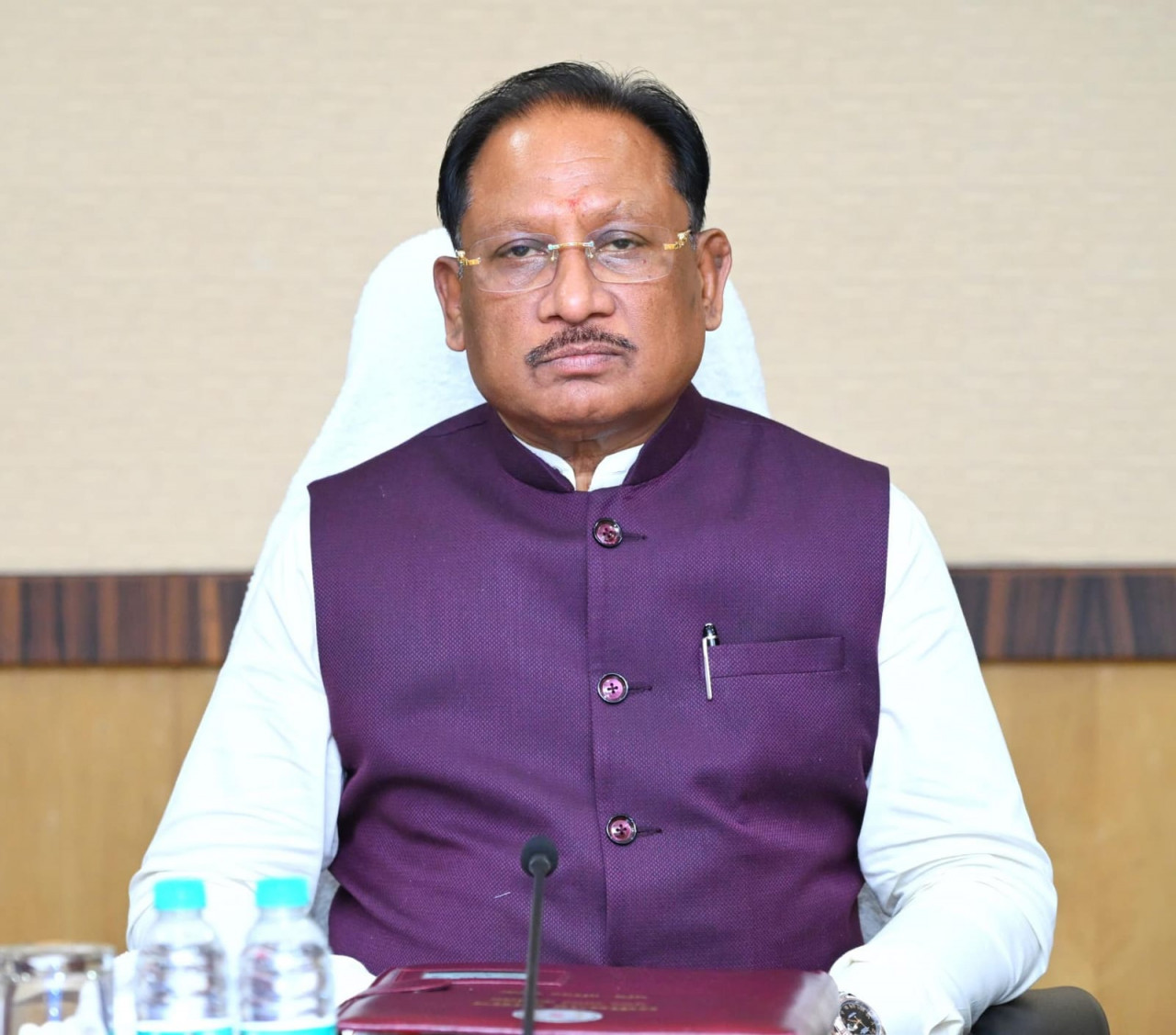
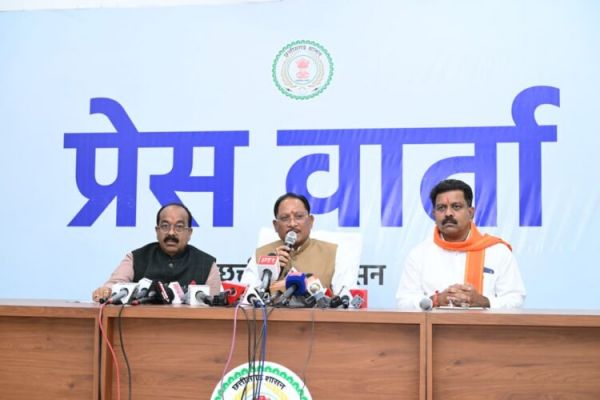
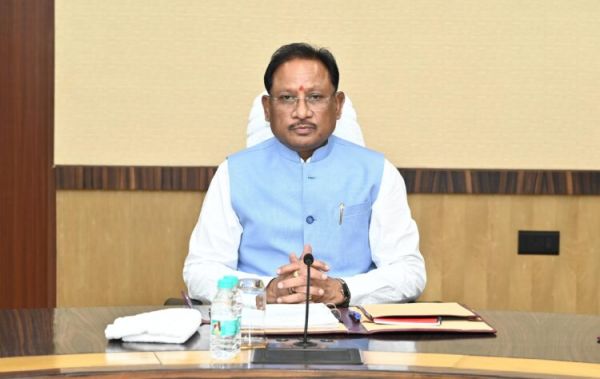
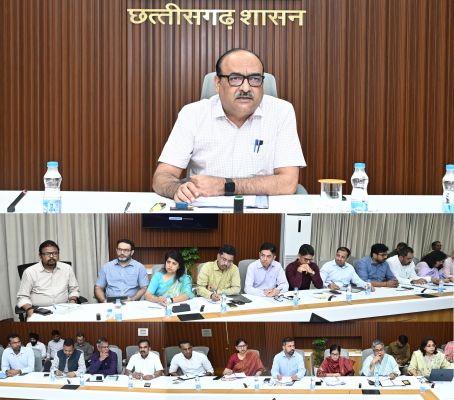
Raipur. Several important decisions were taken in the cabinet meeting held today at Mantralaya Mahanadi Bhawan under the chairmanship of Chief Minister Shri Vishnu Dev Sai.
1. The Council of Ministers approved a proposal to replace the current tripartite agreement with a Direct Debit Mandate system, in accordance with Reserve Bank of India guidelines, to secure payment for electricity purchased by Chhattisgarh State Power Distribution Company from Central Public Sector Undertakings. This decision will ensure continuity of power supply from NTPC and other CPSUs, and the payment security system will be in line with current RBI provisions. This will not impose any additional financial burden on the State Government, as the payment system by the distribution company will remain in place, and if necessary, the Letter of Credit system will remain in effect.
2. The Council of Ministers approved significant amendments to the Chhattisgarh Police Special Executive Force (Bastar Fighters), Fighter Constable Service (Recruitment and Conditions of Service) Rules, 2026.
3. The Council of Ministers approved the draft Chhattisgarh Private University (Establishment and Operation) (Amendment) Bill, 2026. This amendment, in accordance with the recommendations of the Regulation Cell of the Cabinet Secretariat of the Government of India, makes the provisions for the establishment of private universities more practical, qualitative, and contemporary. By replacing the endowment fund with a reserve fund for the establishment of private universities, necessary measures can be taken to secure the future of students. It also provides for ensuring that basic infrastructure, libraries, and other facilities meet the standards of the UGC and competent regulatory bodies. This amendment will encourage the establishment of quality higher education institutions in the state.
4. The Council of Ministers approved the draft Chhattisgarh Value Added Tax (Amendment) Bill, 2026. This amendment will abolish the Chhattisgarh Commercial Tax Tribunal and make necessary amendments to its related provisions. Following the implementation of GST, there has been a significant reduction in the number of VAT-related second appeals, and the GST Appellate Tribunal has been established in the state. Consequently, the need for a separate Commercial Tax Tribunal is no longer necessary. Following this amendment, pending cases in the Tribunal will be transferred to the Board of Revenue, streamlining the appeals resolution process and making the process more efficient.
5. The Council of Ministers approved the draft Chhattisgarh Goods and Services Tax (Amendment) Bill, 2026. This amendment aims to simplify the GST law, streamline compliance procedures, and expedite and make the refund process more transparent for taxpayers, especially exporters and industries with inverted duty structures. This will enhance tax administration, facilitate taxpayers, and increase state revenue.
6. The Council of Ministers approved the draft Chhattisgarh Industrial Investment Promotion (Amendment) Bill, 2026. This amendment aims to promote investment in the state, create a more conducive environment for industries, and provide better facilities to investors. The industrial policies of other leading states were also studied in drafting this amendment bill. This will make the investment process more effective and transparent and provide new impetus to industrial development.
7. The Council of Ministers approved the draft Chhattisgarh Ease of Doing Business (Exchange-Freedom and Facilitation) Bill, 2026. This bill aims to simplify, make the processes for establishing businesses and industries in the state more transparent, digital, and timely. Chhattisgarh will be the first state in the country to introduce such a bill. It includes provisions for deemed permission, self-certification, third-party verification, risk-based inspection, and elimination of dual licensing obligations. This will reduce unnecessary procedural hurdles for investors, enhance ease of doing business, and provide a new impetus to investment, industrial development, and employment generation in the state.
8. The Council of Ministers has approved the One Time Settlement Scheme-2026 to provide relief in interest and surcharge payable on plots and constructed complexes allotted by the Nava Raipur Atal Nagar Vikas Pradhikaran. This scheme will help eligible allottees regularize outstanding dues under prescribed conditions, complete projects within the stipulated time period, provide opportunities for those interested in development, and allow those who are not interested to surrender the allotted land in a timely manner. This decision will reduce litigation, ensure better utilization of land, and encourage investment and development activities in Nava Raipur.
9. The Council of Ministers approved a proposal to introduce a resolution in the Chhattisgarh Legislative Assembly to adopt the Water (Prevention and Control of Pollution) Amendment Act, 2024, in the State of Chhattisgarh. This amendment, introduced by the Government of India, aims to simplify, transparently, and effectively enforce environmental laws. It decriminalizes minor violations, introduces financial penalties, and streamlines the penalty assessment and appeal process. This decision will help simplify environmental regulations in the State, encourage compliance, and balance effective environmental protection with ease of doing business.
10. The Council of Ministers approved the draft Chhattisgarh Rent Control Act, 2011 (Amendment) Bill, 2026. Its purpose is to promote the leasing of vacant houses and ensure speedy resolution of tenancy disputes. This amendment clarifies the rights and responsibilities of the building owner and tenant, and also includes provisions related to the property manager, rent collection, the term of office of the Chairman of the Tribunal, and court fees. This amendment is in line with the Model Tenancy Act, 2021 of the Government of India.
11. The Council of Ministers has taken an important decision to allocate government land required for the construction of a modern auditorium with a capacity of 2,000 seats in Rajnandgaon.

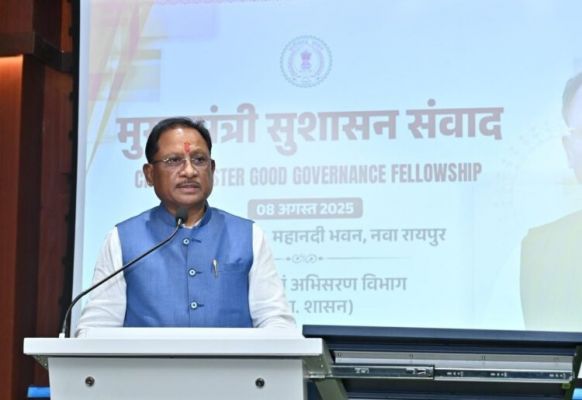




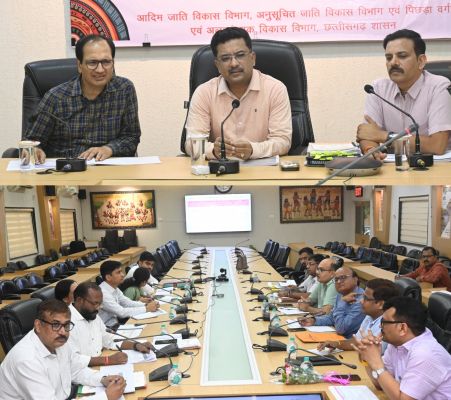
.jpeg "A New Milestone in Good Governance : CM Helpline Becomes the Voice of the People, Over 92,000 Complaints Registered and More Than 42,000 Grievances Resolved in Just One Month,48 Government Departments on a Single Platform; Raipur Leads Among Districts, Energy Department Tops in Grievance Redressal")