
Payments made using UPI will attract charges, increasing the burden on banks; RBI responds

Delhi. Small payments using UPI, which has become the most popular digital payment method in the country, are rapidly increasing. People are now using UPI to make transactions of even five, ten, or twenty rupees. However, this growing trend has raised concerns for banks, as they are incurring additional costs to process each transaction.
According to Reserve Bank of India (RBI) officials, people are increasingly using UPI due to the shortage of smaller denomination notes in the market. According to the RBI's annual report, the share of two and five rupee notes in circulation has declined to 6.4 percent by March 31, 2026. Similarly, the availability of 10 and 20 rupee notes has also declined.
Banking sources say that the average cost to banks per UPI transaction is 1 to 2 rupees. The ever-increasing number of transactions is forcing banks to invest more in their IT infrastructure and server capacity. Since no fees are charged to customers, banks bear the entire cost.
For this reason, many banks are urging the RBI to allow them to charge fees on UPI payments above a certain threshold. However, the RBI has clarified that there is currently no proposal to impose any fees on UPI. The RBI Governor has also stated that UPI users will not currently be charged any additional fees.
Meanwhile, the RBI has instructed banks to increase the availability of 50 and 100 rupee notes. This will require upgrading ATM machines, but many banks are reluctant to do so due to the additional cost.
According to NPCI data, UPI transactions exceeded ₹314 lakh crore in fiscal year 2025-26. More than 20 billion transactions are processed each month, with most payments being less than ₹500. This is why the growing use of UPI is also posing new challenges for the banking system.

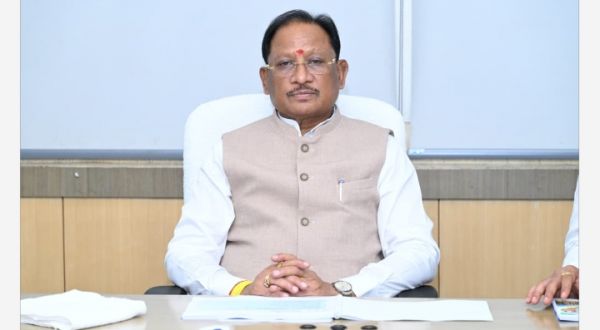

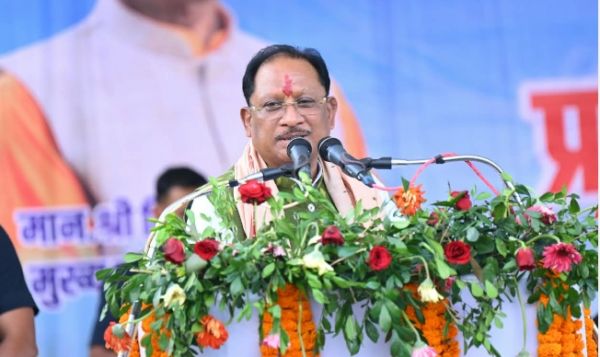
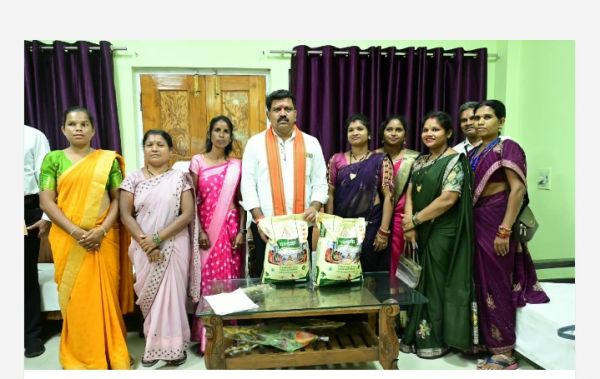





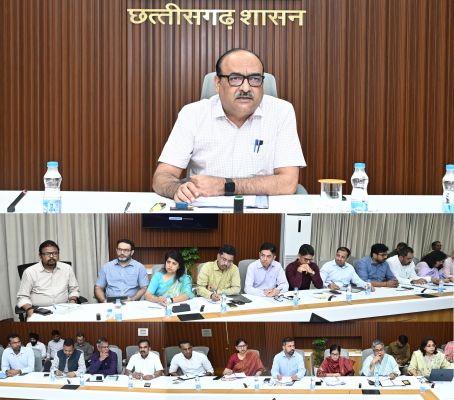
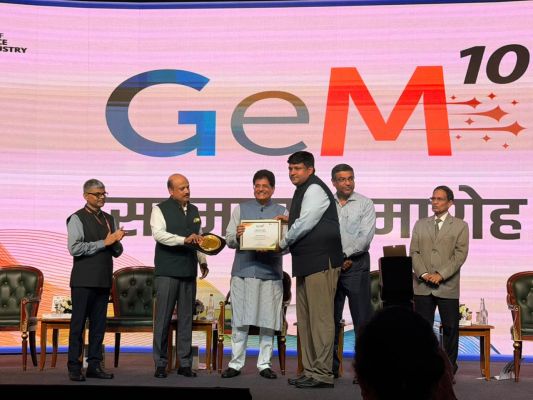

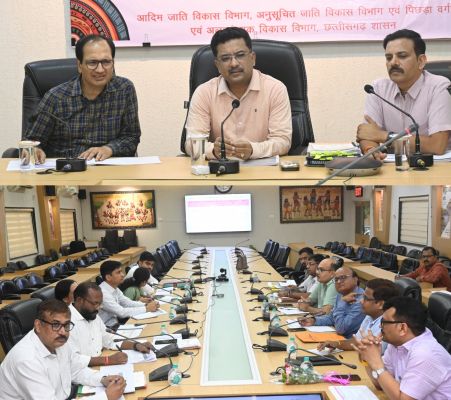
.jpeg "A New Milestone in Good Governance : CM Helpline Becomes the Voice of the People, Over 92,000 Complaints Registered and More Than 42,000 Grievances Resolved in Just One Month,48 Government Departments on a Single Platform; Raipur Leads Among Districts, Energy Department Tops in Grievance Redressal")