
Agricultural revolution in Dhamtari: 22 new cooperative societies make the path easier for farmers
Record fertilizer-seed and loan distribution gave new momentum
A total of 96 committees are active in the district: Direct access to 653 villages of 370 Gram Panchayats
Record distribution of fertilizers and seeds: 29,060 MT of fertilizers and 12,432 quintals of certified seeds distributed
Raipur, July 2026: The district administration has taken a major initiative to ensure timely availability of agricultural inputs and transparent benefits of government schemes for farmers in Chhattisgarh's Dhamtari district during the 2026-27 Kharif season. To facilitate farmers' convenience and access, 22 new Primary Agricultural Credit Cooperative Societies have been launched in the district. With this, a total of 96 active societies in the district are now providing facilities like fertilizers, seeds, loans, and crop insurance to farmers in 653 villages across 370 Gram Panchayats under one roof. A new record has been set in the distribution
of fertilizers .
To meet the district's agricultural needs, 29,060 metric tons of fertilizer have been distributed this year, an increase of approximately 1,500 metric tons compared to last year. To meet demand, 5,000 metric tons more fertilizer has been stored than last year. Similarly, to promote quality production, 12,432 quintals of certified seeds have been distributed through committees, an increase of approximately 1,400 quintals compared to last year.
Big leap in financial assistance: Agricultural loans worth Rs 317 crore disbursed so far against the target of Rs 350 crore
Dhamtari district has also been at the forefront in providing adequate financial assistance to farmers for farming. Against a target of ₹350 crore, agricultural loans worth ₹317 crore have been distributed so far. Compared to the same period last year (₹265 crore), farmers received approximately ₹57 crore more in financial assistance.
Registration continues under Prime Minister Crop Insurance Scheme
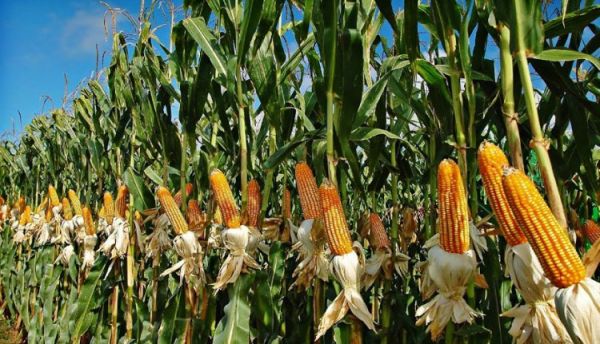
Registration is ongoing under the Pradhan Mantri Fasal Bima Yojana (PMFBY) to protect crops from natural disasters. Eligible crops include paddy (irrigated/non-irrigated), maize, pigeon pea, green gram, black gram, kodo, kutki, finger millet, and peanuts. Farmers can enroll in insurance by contacting their nearest Primary Agricultural Credit Cooperative Society, bank branch, CSC, insurance company portal/app, or patwari/agriculture officer.
Toll Free Helpline Number: 14447
The clear objective of the Dhamtari district administration is to make every farmer of the district self-reliant and prosperous through expansion of cooperative societies, uninterrupted supply of fertilizers and seeds, record loan distribution and crop insurance.






.jpeg "A New Milestone in Good Governance : CM Helpline Becomes the Voice of the People, Over 92,000 Complaints Registered and More Than 42,000 Grievances Resolved in Just One Month,48 Government Departments on a Single Platform; Raipur Leads Among Districts, Energy Department Tops in Grievance Redressal")