Supreme Court's big decision on conversion and reservation!
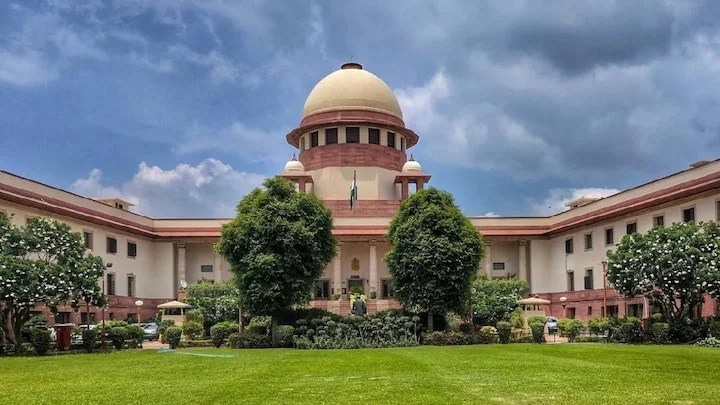
Supreme Court’s big decision on religious conversion and reservation!
The Supreme Court has upheld the Madras High Court's decision in a case involving religious conversion and caste-based reservations. In this case, the High Court had struck down a Tamil Nadu government order that provided for reservation benefits for individuals who converted to Islam by including them in the Backward Classes (Muslims) category. The case concerned the question of whether a person who converted to Islam could continue to benefit from reservations based on their former social class or as a backward class Muslim.
What is the whole matter?
This case concerns a petition filed by a man from Tuticorin district, Tamil Nadu. The petitioner was born into a Hindu family. In 2016, he married a woman according to Islamic rites and converted to Islam. He subsequently changed his name to Sameer Ahmed. According to the petitioner, the Sunnat Jamaat in Kayathar issued a certificate in 2015 confirming his conversion to Islam. He subsequently applied for a community certificate, claiming to belong to the Muslim Lebbai community. However, the Tehsildar of Kayathar rejected his application. He subsequently approached the Madras High Court.
Why did the Madras High Court overturn the Tamil Nadu government's order? The Madurai Bench of the Madras High Court had stated that simply converting from Hinduism to Islam does not automatically confer the status of a "Backward Class Muslim." The court declared unconstitutional a 2024 government order of the Tamil Nadu government that included individuals from certain backward classes who converted to Islam in the category of Backward Class Muslims.
According to a 2024 Tamil Nadu government order, a person belonging to a Backward Class (BC), Most Backward Class (MBC), Denotified Community (DNC), or Scheduled Caste (SC) who converts to Islam can be considered a Backward Class (Muslim) for reservation purposes. This order provided for the issuance of a community certificate to such individuals belonging to one of the seven notified categories of the Muslim community.
The state government had stated in court that a person from an upper caste would not be eligible for backward class (Muslim) status after converting to Islam. The government also argued that those who already enjoyed reservation benefits in their original religion should not lose their benefits even after conversion.





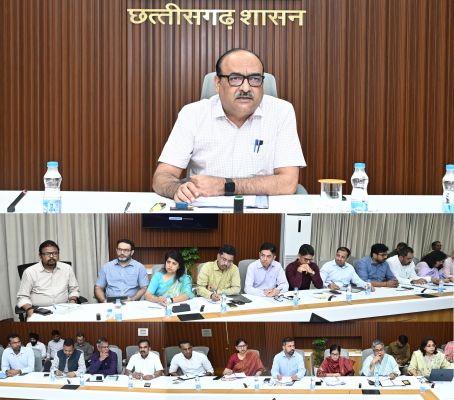
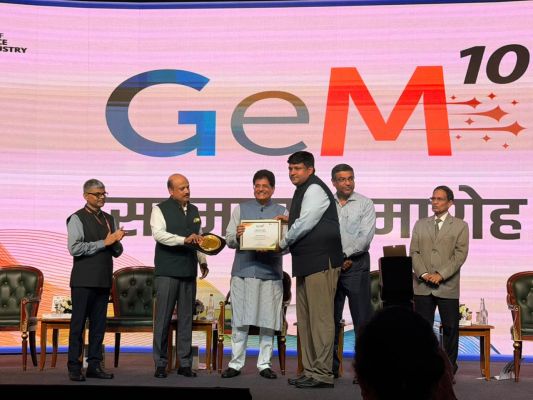

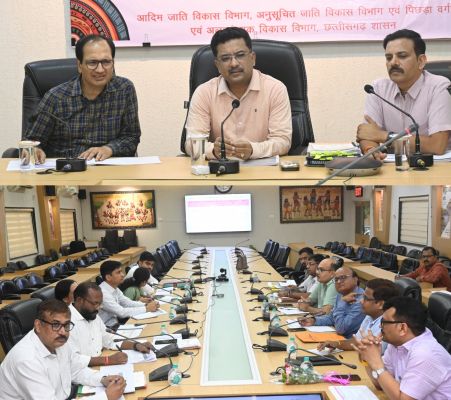
.jpeg "A New Milestone in Good Governance : CM Helpline Becomes the Voice of the People, Over 92,000 Complaints Registered and More Than 42,000 Grievances Resolved in Just One Month,48 Government Departments on a Single Platform; Raipur Leads Among Districts, Energy Department Tops in Grievance Redressal")